
Have you ever felt ready to start a brand-new chapter, only to find old thought patterns dragging you back into familiar doubts? You might want to build deeper confidence, let go of past baggage, anchor your faith, or uncover authentic purpose. Yet, knowing change is necessary and actually carrying it out daily are two completely different challenges.
Renew Your Mind, Redefine What’s Possible: Becoming Who I Am by Edward Riley takes on this gap. Riley looks at the relationship between self-identity, inner healing, intentional mindset, and steady personal transformation.
In this comprehensive Renew Your Mind Redefine What’s Possible book review, we examine the book’s core philosophy, its daily reflective framework, and the key principles readers can apply toward personal and spiritual growth. Whether your goal is overcoming negative internal dialogue or grounding your daily routines in faith, this guide breaks down what the text delivers.
Table of Contents
ToggleWhat Is Renew Your Mind, Redefine What’s Possible About?
At its heart, Edward Riley’s work approaches mindset work through the lens of continuous, incremental change rather than quick emotional fixes. The text introduces readers to an intentional, year-long habit of questioning self-limiting assumptions and establishing grounded beliefs.
The central thesis rests on a foundational truth: your external circumstances rarely redefine your life until your internal view of yourself shifts first. Rather than offering superficial slogans, the author encourages readers to examine the roots of their everyday choices, personal boundaries, and spiritual convictions.
Book Feature | Publishing Detail |
Full Title | Renew Your Mind, Redefine What’s Possible: Becoming Who I Am |
Author | Edward Riley |
Core Theme | Identity restoration, mindset renewal, faith-aligned habits |
Format Style | 365-day reflective roadmap and devotional guide |
Target Audience | Seekers of faith-based personal growth and reflective discipline |
Central Message and Purpose
Riley frames renewal as an active discipline. Transforming your life requires untangling who you were conditioned to be from who you genuinely are. The guide pairs contemplative writing with focused prompts, urging readers to align daily thoughts with lasting spiritual values.
The Four Stages of the 365-Day Journey
The book organizes the process of personal development across four developmental phases. These milestones take the reader from foundational awareness through to sustained personal action.
[Phase 1: Foundations] ➔ [Phase 2: The Renewal Process] ➔ [Phase 3: Redefining What’s Possible] ➔ [Phase 4: Rising into “I Am”]
Part 1: Foundations of Identity
The journey begins by examining where your self-perception originated. Many individuals carry self-imposed limits inherited from past environments, early criticism, or previous missteps. Riley invites readers to separate authentic self-worth from performance, external accolades, and the unstable opinions of others.
Part 2: The Process of Renewal
Once unhelpful patterns are uncovered, active mental renewal begins. This phase focuses on emotional healing, healthy emotional boundaries, and releasing quiet resentments. Readers learn to identify automated self-talk and intentionally replace cognitive distortions with grounded, values-focused affirmations.
Part 3: Redefining What’s Possible
With clearer mental margins, the horizon of personal potential expands naturally. This stage emphasizes overcoming fear-based hesitation. Riley prompts readers to reconsider their capacity for service, leadership, creative work, and spiritual maturity by rejecting outdated comfort zones.
Part 4: Rising into the “I Am”
The final movement turns internal growth into consistent daily practice. Growth is no longer an occasional exercise; it becomes your operational baseline. This phase focuses on living with purpose, serving your community, and walking out spiritual renewal with steady confidence.
7 Practical Lessons for Renewing Your Mind and Transforming Your Life
True transformation requires translating reflective principles into functional, everyday conduct. Here are seven practical takeaways drawn from the book’s core themes:
Core Lesson | Practical Everyday Application |
1. Ground Your Identity | Decouple your self-worth from career milestones, financial metrics, and social validation. |
2. Examine Past Influences | Trace recurring anxieties back to their source without letting past hurt dictate current choices. |
3. Practice Boundaried Forgiveness | Release toxic resentment to free your attention, while preserving wise, healthy relationship boundaries. |
4. Speak with Honest Intent | Audit your internal self-talk; swap catastrophic assumptions for factual, balanced perspectives. |
5. Build Sustainable Discipline | Anchor your mornings with small, repeatable habits rather than sporadic bursts of unsustainable effort. |
6. Clarify Your Higher Purpose | Dedicate time each week to activities that serve others and reflect your core moral principles. |
7. Cultivate Deliberate Gratitude | Train your mind to acknowledge everyday blessings, creating resilience against stress and cynicism. |
A 5-Minute Daily Mind Renewal Exercise
You do not need hours of solitude to realign your thoughts. This simple five-step reflection helps break negative thinking loops during busy workdays:
- Spot the Focus: What specific thought or worry has dominated your mental energy over the last few hours?
- Weigh the Evidence: Is this thought supported by demonstrable facts, or is it an assumption fueled by worry?
- Reframe the Narrative: What is a fair, objective, and constructive way to interpret this circumstance?
- Determine One Micro-Action: What is one realistic step you can complete today to move forward?
- Anchor in Gratitude: Name one specific, unearned blessing present in your life right now.
Renew Your Mind, Redefine What’s Possible: Book Review and Key Lessons
Have you ever felt ready for a meaningful breakthrough, only to find old thought patterns dragging you back into familiar doubts? Longing for deeper confidence, peace with your past, or a grounded spiritual anchor is natural. Yet closing the distance between recognizing the need for change and living it daily is where most of us stumble.
Renew Your Mind, Redefine What’s Possible: Becoming Who I Am by Edward Riley takes on this core human dilemma. By examining the intersections of self-worth, emotional healing, and spiritual renewal, the guide offers a steady path toward lasting personal growth.
In this review, we examine the central ideas behind Riley’s daily framework, assess its strengths and boundaries, and share practical exercises to help you decide if this journey belongs on your bedside table.
What Is Renew Your Mind, Redefine What’s Possible About?
At its heart, this book approaches personal transformation as a gradual spiritual and mental realignment rather than an overnight fix. It speaks directly to readers weighed down by self-limiting beliefs, past hurts, or the quiet exhaustion of striving without clear purpose.
Edward Riley presents transformation as an intentional, step-by-step rebuilding of your inner narrative. Instead of chasing fleeting motivation, the text encourages readers to re-anchor their identity in spiritual truth and self-awareness.
The core message is simple yet challenging: what you dwell on daily shapes who you become. By pairing honest self-reflection with disciplined daily intentions, you create the mental room needed to step into genuine purpose.
Related Articles


The Four Stages of the 365-Day Journey
Rather than throwing an overwhelming list of rules at the reader, the 365-day journey is structured into four distinct, progressive phases. Each phase builds upon the previous one to encourage steady, sustainable personal development.
Part 1: Foundations of Identity
The journey begins by dismantling borrowed definitions of worth. Readers are encouraged to untangle their core value from external achievements, material status, or the opinions of others. This initial stage focuses on building self-awareness and learning how early emotional conditioning shapes current behaviors.
Part 2: The Process of Renewal
Once unhelpful patterns are uncovered, the focus turns toward healing and mental renewal. This phase addresses the quiet burdens of guilt, lingering resentment, and unhealed wounds. Readers explore practical steps for extending forgiveness to others and themselves while establishing healthy emotional boundaries.
Part 3: Redefining What’s Possible
With the mental slate clearer, this stage invites readers to expand their vision. The reflections challenge chronic self-doubt, encourage faith-filled courage, and inspire bold action. Here, readers learn to align their day-to-day choices with their deepest spiritual callings.
Part 4: Rising into the “I Am”
The final stage centers on quiet confidence and consistency. Rather than striving for perfection, readers focus on living out their authentic, renewed identity daily. The emphasis rests on service, emotional poise, and maintaining gratitude throughout life’s ordinary routines.
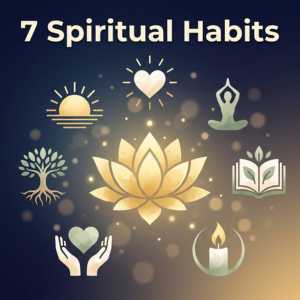
7 Practical Lessons for Renewing Your Mind and Transforming Your Life
While grounded in the book’s central themes, these seven principles offer practical ways to cultivate developing a more constructive mindset in everyday life:
Principle | Practical Daily Application |
Ground Your Identity | Detach your self-worth from daily productivity, material status, or public approval. |
Examine Past Influences | Identify past memories or childhood narratives that quietly dictate your adult reactions. |
Cultivate Forgiveness | Actively release resentment to free your mental energy while preserving wise boundaries. |
Speak with Intention | Replace harsh, critical self-talk with balanced, faith-aligned statements of truth. |
Commit to Micro-Discipline | Build small, non-negotiable daily habits that reinforce your long-term personal values. |
Clarify Your Purpose | Align your energy with activities that serve others and reflect your core convictions. |
Anchor in Gratitude | Intentionally pause each day to acknowledge blessings, even amidst complex challenges. |
How to Apply These Ideas in Everyday Life: The 5-Minute Mind Renewal
You do not need hours of solitude to begin refreshing your thought life. When negative loops or anxieties begin to spiral, step away and work through this grounding 5-minute reflection:
- Observe the Focus: What specific thought or worry has been consuming my mental energy today?
- Test the Reality: Is this narrative supported by clear facts, or am I reacting to an unverified assumption?
- Reframe with Balance: What is a calmer, more constructive way to view this challenge?
- Choose One Step: What is one small, tangible action I can take right now to improve the situation?
- Acknowledge a Blessing: What is one concrete thing I can sincerely thank God or life for in this moment?
Practicing mindfulness and the practice of being present prevents automatic thought patterns from running your day on autopilot. Over time, these brief daily pauses help create real mental resilience.
Renew Your Mind Book Review: Is It Worth Reading?
Evaluating a year-long guide requires weighing the time commitment against what you hope to receive. Here is a balanced look at the book’s strengths and considerations:
What Readers May Appreciate
- Predictable Structure: A concise daily entry makes it easy to integrate into existing morning or evening routines.
- Grounded Focus on Identity: Rather than offering surface-level productivity hacks, it dives into the root beliefs that drive human behavior.
- Balanced Faith Approach: It naturally weaves together contemplative spiritual reflections with actionable everyday prompts.
- Long-Term Orientation: The 365-day timeline prioritizes gradual character development over quick emotional highs.
What Readers Should Consider
- Requires High Consistency: A year-long devotional format demands personal discipline; skipping weeks at a time diminishes its cumulative rhythm.
- Not a Clinical Manual: Readers searching for evidence-based cognitive behavioral therapy protocols will find this is a faith-informed personal-growth resource, not a psychological text.
- Reflective Depth: Those who prefer fast-paced, dense analytical reading may find daily bite-sized devotional thoughts too brief.
Who Should Read This Book?
This book is well-suited for readers who enjoy pairing quiet spiritual contemplation with practical habit-building. If you appreciate intentional journaling, want to replace self-criticism with grace, or feel drawn to daily spiritual habits for personal growth, Edward Riley’s approach will feel welcoming.
Conversely, if you are looking for secular academic research, clinical psychological treatments, or quick-fix motivational hacks, an evidence-based clinical workbook may be a better fit.
Frequently Asked Questions
What is Renew Your Mind, Redefine What’s Possible about?
It is a reflective personal-growth book designed to help readers replace negative thought loops with spiritual grounding, emotional healing, and constructive self-worth through guided daily insights.
Who is the author of the book?
The book is written by Edward Riley, who approaches mindset transformation and personal renewal through a blend of reflective encouragement, personal faith, and practical life lessons.
Is Renew Your Mind suitable as a 365-day devotional?
Yes. Its structure lends itself well to morning quiet times or evening reviews, offering a brief reading, thematic focus, and reflective space for each day of the year.
How can daily affirmations support genuine personal growth?
Daily affirmations work best as reflective tools that align your conscious thoughts with your deepest values. When paired with deliberate action and honest self-examination, they help interrupt automatic negative self-talk.
How do I build a lasting daily mind-renewal practice?
Start small by setting aside five to ten minutes at the same time each day. Read a single reflection, write down one insight, and commit to one concrete, positive action before jumping into daily tasks.