Have you ever turned to something for quick comfort, only to realize it creates more problems than it solves? For many people, that relief looks like endless scrolling, overworking, people-pleasing, or perfectionism. What starts as a harmless coping habit can quietly keep you from facing deeper emotional pain.
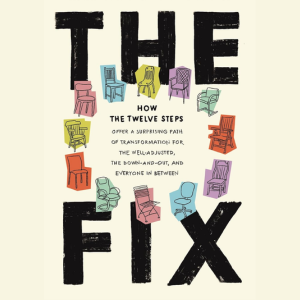
In The Fix: How the Twelve Steps Offer a Surprising Path of Transformation for the Well-Adjusted, the Down-and-Out, and Everyone in Between, author Ian Morgan Cron explores why we rely on these self-defeating patterns. Drawing on his personal recovery journey and Christian spirituality, Cron shows how the Twelve Steps offer a roadmap toward lasting healing.
In this The Fix by Ian Morgan Cron book summary and review, you will discover the book’s core message, its twelve-chapter progression, actionable life lessons, and a balanced evaluation of who will benefit most from reading it.
Table of Contents
ToggleWhat Is The Fix by Ian Morgan Cron About?
The Fix reframes the traditional Twelve Step recovery framework for everyday life. While the Twelve Steps originated in Alcoholics Anonymous (AA) to help people recover from alcoholism, Cron demonstrates how their underlying spiritual principles apply to anyone trapped in compulsive, approval-seeking, or numbing behaviors.
Rather than focusing purely on willpower, the book invites you to look beneath surface habits to identify unmet emotional and spiritual needs. It serves as a compassionate guide to personal transformation, though it is meant for spiritual reflection rather than replacing clinical therapy or structured addiction treatment.
Book Attribute | Details |
Full Title | The Fix: How the Twelve Steps Offer a Surprising Path of Transformation for the Well-Adjusted, the Down-and-Out, and Everyone in Between |
Author | Ian Morgan Cron |
Publisher | Zondervan |
Publication Date | January 28, 2025 |
Length | 272 pages |
ISBN | 9780310368540 |
Genre | Christian Living, Spirituality, Personal Growth, Recovery |
About the Author
Ian Morgan Cron is a bestselling author, psychotherapist, Enneagram teacher, and Episcopal priest. Through his books, speaking, and podcasting, he blends psychology with Christian spirituality to help readers cultivate self-awareness and emotional maturity.
Why We Search for Quick Fixes in Life
Human beings naturally try to avoid discomfort, loneliness, and fear. When life feels overwhelming, we reach for immediate relief—whether through work, validation, food, screens, or control—to dull the ache.
The trouble is that temporary relief never heals the root wound. Over time, these everyday coping mechanisms become compulsive loops that disconnect us from ourselves, our loved ones, and God. Breaking free requires shifting from quick fixes to finding emotional balance during difficult times through honest self-examination.
Chapter-by-Chapter Summary of The Fix
Cron structures The Fix across twelve chapters plus an Epilogue, walking readers through the spiritual progression of the Twelve Steps. Note that the steps below summarize the book’s thematic principles in plain language rather than reproducing official AA step text verbatim.
Desperate for a Fix – Introduction
Cron introduces the universal human tendency to medicate emotional pain with socially acceptable habits. He shares candid stories from his own life to show that even seemingly “well-adjusted” people need a path out of self-sabotage.
Drinking from the Wrong Well – Step 1 (Honesty)
Transformation begins when you admit that your self-reliant coping strategies no longer work. Acknowledging powerlessness over compulsive patterns is not defeat; it is the first honest step toward freedom.
Without a Paddle – Step 2 (Hope)
Once you stop pretending you can fix everything alone, hope becomes possible. Cron explores how opening yourself to a Power greater than yourself restores sanity and perspective.
Helplessly Hoping – Step 3 (Faith)
Faith means releasing the exhausting need to control outcomes, people, and image. Surrendering your will to God creates space for genuine peace and guidance.

Somebody Take the Wheel – Step 4 (Courage)
Real growth requires taking a fearless moral inventory of your fears, resentments, and blind spots. Cron encourages compassionate self-honesty rather than shame-driven self-criticism.
Hug the Cactus – Step 5 (Integrity)
Secrets keep unhealthy patterns alive in the dark. Sharing your honest truth with God and another trusted person breaks isolation and builds authentic integrity.
Fess Up – Step 6 (Willingness)
Awareness alone does not change behavior; willingness does. This chapter focuses on becoming genuinely ready to let go of familiar character defects and defensive habits.
Okay, I’m Willing Already – Step 7 (Humility)
Humility is not thinking less of yourself—it is recognizing that you cannot outgrow your flaws by sheer willpower. Asking God for help invites grace into your weakest areas.
Mea Culpa – Step 8 (Forgiveness)
Unresolved guilt and resentment tether you to the past. Cron guides readers to identify the people they have harmed and cultivate a willingness to repair broken trust.
Look Out – Step 9 (Love)
Love moves beyond regret into concrete action. Making direct amends—whenever doing so will not cause further harm—restores relational integrity and clears emotional debris.
So Help Me God – Step 10 (Perseverance)
Personal transformation is a daily practice, not a one-time event. Ongoing self-examination helps you catch old habits early and apologize promptly when you fall short.
It Works If You Work It – Step 11 (Spiritual Awareness)
Consistent prayer and quiet meditation keep you anchored in spiritual truth. Stepping away from noise allows you to discern God’s direction amid daily pressures.
Epilogue: Carrying the Message – Step 12 (Service)
In the Epilogue, Cron distinguishes the culmination of the journey: spiritual awakening naturally overflows into service. By supporting others who are struggling and practicing these principles daily, your own healing deepens.

The Spiritual Principles Behind the Twelve Steps
One of the richest contributions of The Fix is how it highlights the timeless spiritual virtues embedded in the Twelve Step tradition. While these principles align with the book’s themes, they serve as reflective guideposts rather than a substitute for the official Alcoholics Anonymous Twelve Steps.
Step | Spiritual Principle | Core Reflection Question |
Step 1 | Honesty | Where am I pretending I have everything under control? |
Step 2 | Hope | Am I open to believing lasting change is possible for me? |
Step 3 | Faith | What outcome or relationship do I need to surrender today? |
Step 4 | Courage | Which fears or resentments am I avoiding looking at honestly? |
Step 5 | Integrity | Who is one safe person I can share my real struggles with? |
Step 6 | Willingness | Which comforting but harmful habit am I finally ready to release? |
Step 7 | Humility | Can I ask for help instead of trying to fix myself alone? |
Step 8 | Forgiveness | Who have I hurt, and what resentment do I need to let go of? |
Step 9 | Love | What concrete step can I take to make things right with someone? |
Step 10 | Perseverance | How did my actions today align with my deepest values? |
Step 11 | Spiritual Awareness | Have I made quiet space for prayer and stillness today? |
Step 12 | Service | How can I encourage or serve someone else with what I have learned? |
Cultivating these virtues is central to developing faith and inner strength when life tests your resilience.

7 Important Lessons from The Fix by Ian Morgan Cron
Lesson | Key Takeaway for Readers |
1. Quick fixes mask deeper pain | Compulsive habits are usually signals of unaddressed grief, fear, or loneliness rather than the core problem itself. |
2. Honesty unlocks freedom | Denying your struggles keeps you stuck; naming them clearly is where healing begins. |
3. Asking for help is strength | Lasting transformation rarely happens in isolation; safe community accelerates accountability. |
4. Surrender creates peace | Letting go of the illusion of control relieves chronic anxiety and invites spiritual trust. |
5. Humility fuels real growth | Admitting you do not have all the answers opens the door to wisdom and grace. |
6. Amends require action | Sincere apologies backed by changed behavior rebuild trust better than words alone. |
7. Service sustains recovery | Helping others walk through similar struggles gives purpose to your own past pain. |
How to Apply the Twelve Steps in Everyday Life
Reading about spiritual principles only changes your life when you put them into practice. Set aside ten quiet minutes with a journal to work through this reflection exercise:
- Identify your go-to escape: What habit do you automatically reach for when you feel stressed, rejected, or bored?
- Name the hidden emotion: If you paused before acting on that habit, what feeling would surface?
- Spot the control trap: What situation are you trying to force or manage that lies beyond your control?
- Practice honest connection: Who is one trustworthy friend, mentor, or counselor you can speak with openly this week?
- Choose one small replacement: What healthier action—such as a short walk, prayer, or journaling—can you take next time you feel triggered?
Approaching these questions with curiosity rather than self-judgment keeps you moving forward on the journey of self-discovery.
The Fix Book Review: Strengths, Limitations, and Who Should Read It
What Makes This Book Valuable?
Cron writes with warmth, self-deprecating humor, and psychological insight, making deep spiritual concepts easy to grasp. By bridging clinical awareness with lived recovery wisdom, he removes the stigma around admitting you are stuck and offers practical hope for everyday struggles.
Who Should Read It?
- Readers seeking a fresh, accessible introduction to the spiritual meaning of the Twelve Steps.
- People struggling with socially acceptable coping habits like workaholism, perfectionism, or people-pleasing.
- Anyone interested in Christian spirituality, emotional healing, and personal accountability.
What Should Readers Keep in Mind?
- Distinctly Christian framing: The book approaches surrender and healing through a Christian lens, which may feel less relatable if you prefer a strictly secular framework.
- Not a clinical substitute: While Cron applies recovery principles broadly, the book does not replace professional psychotherapy, medical care, or formal Twelve Step recovery programs for substance or behavioral addictions.
Final Thoughts: Moving Beyond Quick Fixes
True transformation rarely happens overnight, and it never comes from pretending we have it all together. The Fix reminds us that admitting our limitations is actually the doorway to grace, connection, and peace.
By trading self-reliant quick fixes for honesty, surrender, and daily self-awareness, you can gradually reshape how you respond to life’s pressures. Start small today by noticing one habit you use to escape discomfort and building meaningful spiritual habits that nurture lasting wholeness.

Frequently Asked Questions
What is The Fix by Ian Morgan Cron about?
The Fix explores how people rely on unhealthy habits and external distractions to cope with emotional pain. Ian Morgan Cron explains how the Twelve Steps offer a spiritual pathway toward honesty, surrender, healing, and deeper connection with God.
Is The Fix only for people struggling with addiction?
No. Cron shows that the spiritual principles of the Twelve Steps also help people dealing with everyday compulsive patterns such as overworking, people-pleasing, perfectionism, and approval-seeking, though it does not replace professional treatment when clinical care is needed.
What are the Twelve Steps and where did they originate?
The Twelve Steps are a spiritual recovery framework that originated in Alcoholics Anonymous in the 1930s. In The Fix, Cron unpacks their core themes—including honesty, humility, forgiveness, and service—for broader personal and spiritual growth.
Who is Ian Morgan Cron?
Ian Morgan Cron is an American author, psychotherapist, Enneagram teacher, and Episcopal priest. He is widely known for his work integrating psychology, personality insights, and Christian spirituality.
Is The Fix by Ian Morgan Cron worth reading?
Yes, especially if you want an engaging, compassionate look at how Twelve Step spirituality applies to everyday emotional struggles. Its blend of personal storytelling, humor, and practical wisdom makes it an accessible guide to personal transformation.