
Power of God – The Sermons of Smith Wigglesworth: Unlock Miracles Today (2026)
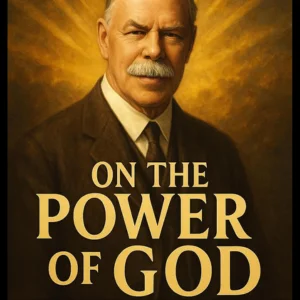
Smith Wigglesworth on the Power of God (The Sermons of Smith Wigglesworth) by Daniel Miller is a compilation of sermons from the renowned British evangelist, focusing on the core tenets of his faith and ministry. The book is not a biography, but rather a thematic collection of Wigglesworth’s teachings, offering readers direct access to his unique and powerful message. The central theme of the book is the supernatural power of God made available to believers through the Holy Spirit. Miller’s purpose in compiling this work is to preserve Wigglesworth’s original, unadulterated voice, allowing his powerful messages on faith, healing, and spiritual authority to continue inspiring and challenging modern readers.
The Unmistakable Voice of a “Plumber” Apostle
Smith Wigglesworth (1859-1947) was a figure of immense importance in the early Pentecostal movement. A simple man, a former plumber with a stutter and little formal education, he became a global sensation for his powerful, often unorthodox, and undeniably impactful ministry. He was known as the “Apostle of Faith” because of his unwavering belief in the literal, tangible power of God to heal, deliver, and transform lives. His sermons were not intellectual treatises; they were raw, passionate declarations of his experiences and convictions.
Daniel Miller’s book, Smith Wigglesworth on the Power of God, carefully curates these sermons, presenting them in a way that highlights the major themes of Wigglesworth’s preaching. By focusing on his own words, the book bypasses the layers of interpretation and embellishment that have accumulated over time, offering a more authentic portrayal of his message. The book serves as a primary source for understanding Wigglesworth’s theology and practice, which was rooted in a practical, experiential faith rather than systematic doctrine.
The Core Message: A God of Power, Not Just Promise
The central message of this book is that God is not a passive observer of human suffering. He is an active, supernatural force, and His power is accessible to all who believe. Wigglesworth taught that the Christian life is not meant to be one of weakness and defeat, but of power and victory. This message is conveyed through several key themes woven throughout the sermons.
The Primacy of Faith
For Wigglesworth, faith wasn’t a passive belief; it was an active force. He famously said, “There are two things you cannot do without: the Word and the Spirit.” He taught that faith is the currency of the Kingdom of God, the key that unlocks divine power. He challenged his listeners to move beyond mental assent to a place of absolute trust, where they would dare to believe God for the impossible. His sermons are filled with stories of miraculous healings, not as a show of personal power, but as a demonstration of what happens when faith is put into action. He saw faith as the spiritual “key” to the “lock” of God’s supernatural power.
The Necessity of the Holy Spirit
Wigglesworth’s ministry was deeply rooted in his personal experience of being baptized in the Holy Spirit in 1907. He believed that this experience was not a one-time event, but a continuous source of power for every believer. He taught that the Holy Spirit is the enabler of all supernatural works, providing the power to live a holy life, the courage to witness boldly, and the authority to minister healing and deliverance. He saw the Holy Spirit as the very presence of God, dwelling within believers and empowering them to do the works of Jesus.
The Reality of Divine Healing
One of the most prominent themes in the book is divine healing. Wigglesworth believed that sickness and disease are not from God, but are a result of the fall and the work of the enemy. He taught that healing is part of the atonement of Christ, and it is a present reality for believers. His sermons often include vivid, sometimes graphic, accounts of people being healed of various ailments. While some of his methods were controversial (like punching a man in the stomach to pray for his healing), his motivation was always a deep compassion for the sick and a fierce belief in God’s power to restore health.
Living a Triumphant Life
Wigglesworth’s sermons consistently challenge the notion of a defeated, struggling Christian life. He taught that believers have been given authority over sin, sickness, and the devil. He urged his listeners to rise above their circumstances and to live in the victory that Christ has already won. This is not a message of “name it and claim it,” but a call to radical obedience and unwavering trust in a God who is bigger than any problem. He believed that through a life of prayer and faith, we can overcome any trial and walk in a continuous state of triumph.
Author’s Intent and Message
While Daniel Miller is the author of this compilation, his primary role is that of a faithful steward of Wigglesworth’s legacy. His intent is not to add his own commentary or theological interpretation, but to allow the original message to speak for itself. He seeks to capture the raw power and simple truth of Wigglesworth’s sermons, which have been so influential for generations of believers.
The message Miller wants to convey is a timeless one: the extraordinary is possible for the ordinary. Wigglesworth was a normal man who, through his radical faith and surrender to the Holy Spirit, was used by God in extraordinary ways. Miller’s book is a testament to this truth, showing that the power of God is not reserved for a select few, but is available to all who are willing to believe and act on that belief. It’s a call to move beyond religious ritual and intellectual assent and to embrace a living, dynamic relationship with a God who still works miracles.
This book is a powerful reminder that the faith of the early Pentecostal pioneers was not based on theory, but on experience. It is a challenge to contemporary believers to rediscover a similar faith—a faith that is bold, practical, and unafraid to ask for the impossible. It’s a message that resonates with a deep longing in the human heart for something more than the mundane, a desire to see God’s hand move in our lives and in our world.
Related Articles

Bible Stories Explained: Meaning, Context & Lessons
Hey there! Some links on this page are affiliate links which means that, if you choose to make a purchase, I may earn a small commission at no extra cost to you. I greatly appreciate your support! Ancient Stories. Timeless Lessons. Bible stories bring together history, poetry, wisdom, prophecy, parables

What Is Blasphemy Against the Holy Spirit? The Unforgivable Sin Explained
Hey there! Some links on this page are affiliate links which means that, if you choose to make a purchase, I may earn a small commission at no extra cost to you. I greatly appreciate your support!

Stories of Faith in Lourdes : Notre Dame de Lourdes
Hey there! Some links on this page are affiliate links which means that, if you choose to make a purchase, I may earn a small commission at no extra cost to you. I greatly appreciate your support!
Deconstructing the Sermons: A Thematic Breakdown
The sermons in Smith Wigglesworth on the Power of God are not arranged chronologically, but rather thematically, allowing the reader to delve deeply into specific areas of Wigglesworth’s teaching.
The Role of the Word and the Spirit
Wigglesworth’s sermons repeatedly emphasize the symbiotic relationship between the Bible and the Holy Spirit. He saw the Word of God as the “food” for faith and the Spirit as the “fire” that activates it. He believed that the Bible is not just a book of stories or moral lessons, but a living, active, and powerful text. He taught that reading and meditating on Scripture allows the Holy Spirit to bring revelation and empower believers to walk in the truths it contains. He encouraged his audiences to “get into the Word” and allow the Word to “get into them,” transforming their minds and hearts.
The Power of Confession
Wigglesworth was a strong proponent of the power of positive confession, not as a magical incantation, but as a declaration of faith. He believed that what we say with our mouths aligns our will with God’s will. He taught that by confessing God’s promises, we are inviting His power into our circumstances. This is a practical application of the principle of faith—speaking the victory before it is manifested. It is a powerful tool for overcoming doubt and fear.
The Confrontation with Sickness
Many of the sermons are focused on healing ministry. Wigglesworth did not shy away from confronting sickness head-on. He taught that a believer should never accept sickness as God’s will. His approach was often confrontational and aggressive towards the sickness, not the person. He believed that sickness was a manifestation of the curse of sin and that Jesus had already paid the price for it on the cross. His simple but powerful message was that we have authority in the name of Jesus to command sickness to leave. This is perhaps the most famous and impactful aspect of his ministry, and this book captures the raw, unapologetic nature of his approach.
Living a Life of Consecration and Purity
While known for his power, Wigglesworth’s sermons also contain a deep call to holiness and consecration. He believed that the Holy Spirit’s power flows through vessels that are clean and surrendered to God. He preached on the importance of living a life free from sin, not out of legalism, but out of a desire to be fully available to God’s purpose. He taught that the journey of faith is also a journey of sanctification, where the believer is continually being refined and made more like Christ.
A Review of the Book’s Impact and Relevance
Smith Wigglesworth on the Power of God is more than a historical document; it is a spiritual catalyst. Its impact on readers is often profound. The book challenges the status quo of modern Christianity, which can often be characterized by intellectualism and a lack of tangible supernatural experience. It forces the reader to confront their own beliefs about God’s power and their own role in seeing it manifested.
Who is this Book For?
This book is a must-read for several groups of people:
- Pentecostals and Charismatics: It provides a historical and theological foundation for their beliefs, showing them where much of their movement’s DNA originated.
- Those seeking a deeper faith: For anyone feeling stagnant or lukewarm in their spiritual walk, Wigglesworth’s passion and faith are contagious. The book can ignite a new hunger for God and a desire for more of His power.
- Scholars of Christian history: While not an academic text, it is an invaluable primary source for understanding the early Pentecostal movement and the powerful personalities that shaped it.
In conclusion, Smith Wigglesworth on the Power of God (The Sermons of Smith Wigglesworth) is a powerful and essential read for anyone interested in the supernatural aspects of the Christian faith. Daniel Miller has done a great service by bringing these timeless sermons to a new generation. The book’s message is simple yet profound: God is a God of power, and that power is available to us today. It is a challenge to step out of our comfort zones and into a life of radical faith, where the impossible becomes possible, and the extraordinary becomes a daily reality.
Frequently Asked Questions
1. What is the main message behind the power of God in Smith Wigglesworth’s sermons?
At its core, Smith Wigglesworth’s sermons focus on unconditional faith and complete surrender. He passionately taught that the power of God isn’t something reserved for a select few; it’s actively available to any believer who steps out in bold, unwavering faith to witness miracles.
2. How did Smith Wigglesworth define divine empowerment in his ministry?
For Wigglesworth, divine empowerment was entirely driven by the Holy Spirit. He firmly believed that when you immerse yourself in scripture and prayer, the Holy Spirit transforms you, breaking physical and spiritual limitations so you can manifest God’s living presence on earth.
3. What can we learn about spiritual healing from these Pentecostal sermons?
These classic Pentecostal sermons show us that spiritual healing and physical miracles require radical action. Wigglesworth didn’t just pray quietly; he acted on God’s promises with authority, proving that faith without bold action cannot activate supernatural breakthroughs.
4. Why is absolute faith so central to experiencing God’s power?
Wigglesworth always said that absolute faith moves the hand of God. If you harbor even a little doubt, you limit your spiritual growth. Believing fully in God’s word unlocks supernatural strength, turning seemingly impossible situations into moments of divine victory.
5. How can believers apply Smith Wigglesworth’s teachings to their daily lives today?
You can bring this supernatural power into your daily routine by building an active prayer life and trusting God’s word without hesitation. It’s all about walking in spiritual authority daily and letting the Holy Spirit guide your decisions and interactions.