
Ancient Stories. Timeless Lessons.
Bible stories bring together history, poetry, wisdom, prophecy, parables and accounts of faith that have shaped Christian tradition for centuries. But understanding a story often requires more than knowing what happened. Its historical setting, literary context, key characters and theological themes can change how we read it.This Bible Stories Explained hub brings together accessible guides to well-known stories from the Old and New Testaments, along with explanations of their context, meaning and traditional Christian lessons. Explore an individual story below to read a deeper explanation and related Bible passages.
Old Testament Stories
Discover Stories from Genesis through the historical and prophetic books.


New Testament Stories
Explore stories surrounding Jesus, his disciples and the early Christian movement.


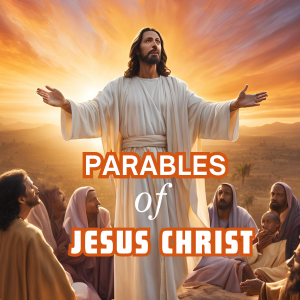
Parabales & Teachings of Jesus
Understand Jesus' parables, their immediate context and major themes.
Bible Characters & Their Stories
Explore the lives, choices and experiences of important biblical figures.
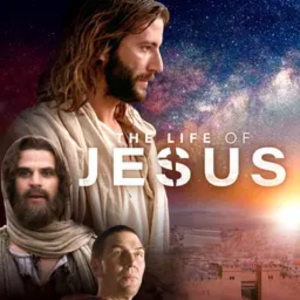
Featured Bible Stories
Explore the Featured Bible Stories
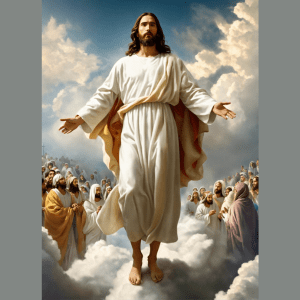
Christian Living
Explore stories from the Old and New Testaments, the lives of Biblical figures, miracles and the lessons they offer.


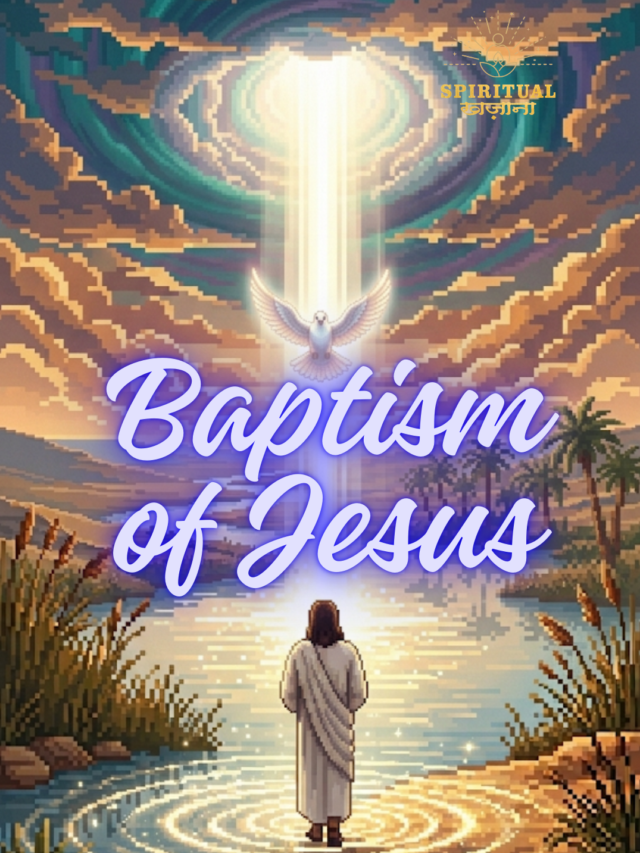
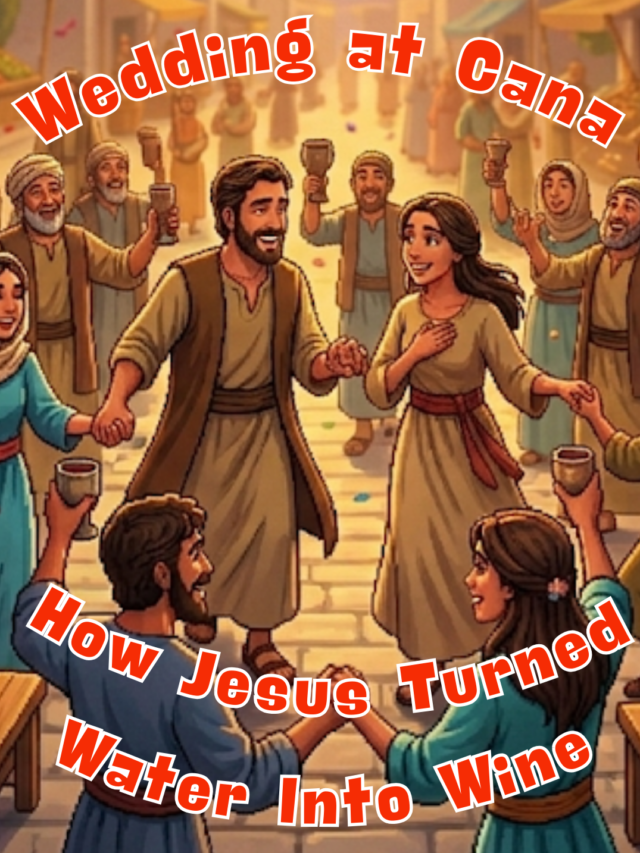
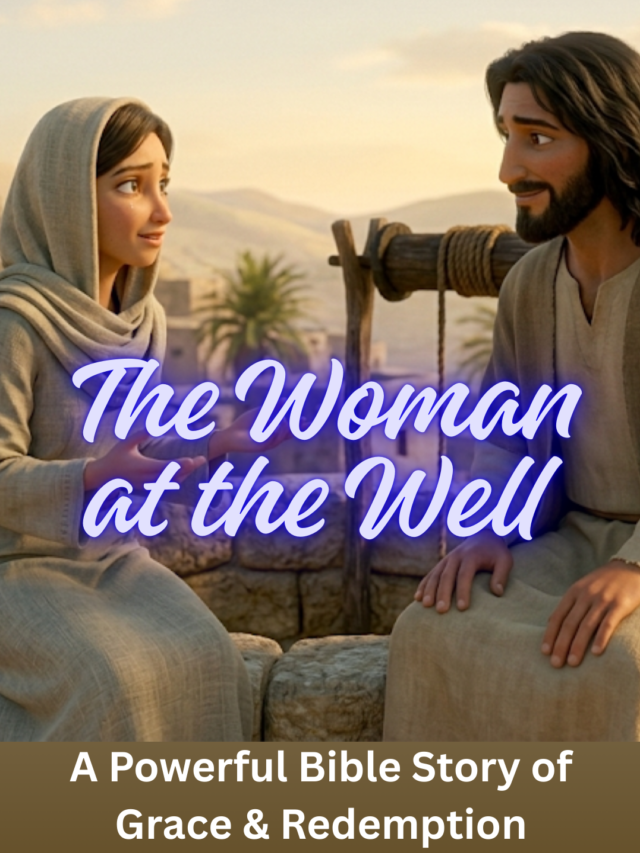
Bible Web Stories

Bible FAQs
Find clear explanations of Biblical questions, teachings, meanings and ideas that help you understand Scripture more deeply.
Q1: What are the main parts of the Bible?
A: The Bible is divided into two primary sections: the Old Testament (which contains 39 books detailing the creation of the world, the history of Israel, and God's covenant with His people) and the New Testament (which contains 27 books focusing on the life, teachings, death, and resurrection of Jesus Christ, as well as the early Christian Church).
Q2: What lessons does the Bible teach?
A: At its core, the Bible teaches lessons about God's unconditional love, redemption, grace, and forgiveness. It outlines moral frameworks for living—such as loving one's neighbor, practicing justice, humility, and faith—and illustrates how humanity can restore its relationship with God through Jesus Christ.
Q3: Why are there different versions of the Bible?
A: The Bible was originally written in ancient Hebrew, Aramaic, and Greek. Because languages evolve over centuries, scholars continually update translations to reflect modern vocabulary, use newly discovered ancient manuscripts, and balance different translation philosophies (some focus word-for-word, while others focus thought-for-thought).
Q4: Which Bible translation is the best or most accurate?
A: There is no single "perfect" translation, as it depends on your goal. For deep, word-for-word study, translations like the ESV (English Standard Version) or NASB (New American Standard Bible) are highly regarded. For easy reading and devotionals, thought-for-thought translations like the NIV (New International Version) or NLT (New Living Translation) are preferred.
Q5: Are Bible stories historically accurate?
A: Many historical figures, cities, and events mentioned in the Bible have been verified by external archaeological discoveries and ancient secular texts. While it is a spiritual book containing various literary genres (like poetry and parables), its historical framework is grounded in real-world antiquity.