Table of Contents
ToggleWhat is The Whispers of Manifestation: Law of Attraction by Yole Green actually about, and is it worth reading?
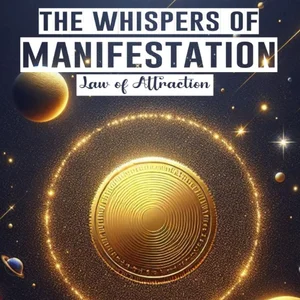
The Whispers of Manifestation explores manifestation through ideas such as intention, visualization, emotional awareness, scripting, inspired action and letting go. Rather than treating manifestation purely as wishful thinking, the book presents it as a practice involving mindset, self-reflection and action.
In this review, we’ll look at the book’s central ideas, chapter themes, practical exercises, strengths and limitations, and how its approach compares with the broader Law of Attraction tradition.
The Whispers of Manifestation at a Glance
| Detail | Information |
|---|---|
| Book | The Whispers of Manifestation: Law of Attraction |
| Author | Yole Green |
| Topic | Manifestation / Law of Attraction |
| Format | Self-help / spirituality |
| Focus | Intention, mindset, visualization, action and letting go |
| Best for | Readers interested in manifestation practices |
| Review focus | Ideas, practicality, writing style and limitations |
What Is The Whispers of Manifestation About?
The Whispers of Manifestation explores the relationship between mindset, intention, and life outcomes through the lens of the Law of Attraction. The book outlines core manifestation concepts, guiding readers through setting clear intentions, directing thoughts and emotions, and engaging in deliberate visualization. It also introduces practical self-reflection routines, such as journaling and scripting, while emphasizing that mental alignment must be paired with tangible, proactive action and emotional detachment from specific results.
Importantly, readers should separate the book’s philosophical arguments from established empirical science. The book argues that personal thoughts, focused emotions, and vibrational energy directly attract physical circumstances and opportunities from the universe.
Scientific psychology, by contrast, explains these outcomes through cognitive frameworks rather than metaphysical magnetism. Goal-setting, mental rehearsal, and positive focus work by enhancing attentional selectivity (via the reticular activating system), boosting self-efficacy, reducing anxiety, and fostering proactive habits. The book functions as a reflective, motivational self-help philosophy, offering practical tools for self-discipline and perspective rather than scientifically validated physical laws.
Why This Book Matters in Today’s World
In a fast-paced world full of anxiety, uncertainty, and comparison, this book arrives like a calm breath. It reminds readers that while the outer world feels chaotic, the inner world still holds immense power. Yole Green brings the Law of Attraction down from abstract theory into everyday, practical living.
About the Author – Yole Green
Yole Green writes with warmth, empathy, and clarity. Her tone is reassuring rather than authoritative. She doesn’t position herself above the reader but walks alongside them, sharing insights as gentle reminders rather than rigid rules.
Core Philosophy of The Whispers of Manifestation
Understanding the Law of Attraction
At its heart, the Law of Attraction suggests that like attracts like. Yole Green explains this idea in a refreshingly simple way—our dominant thoughts and emotions act like magnets, pulling experiences of similar frequency into our lives.
Thoughts as Energetic Signals
According to Green’s framework, thoughts are treated as energetic signals that influence the manifestation process. This is a spiritual/manifestation interpretation rather than an established scientific description of how thoughts affect the external world.
Emotions as Magnifiers
Emotions give power to thoughts. A fleeting thought has little impact, but a thought soaked in emotion becomes a strong signal. Joy, gratitude, fear, and resentment all amplify manifestation—for better or worse.
Key Ideas From The Whispers of Manifestation
The Whispers of Manifestation structures personal growth into eight focused chapters, guiding readers from mental clarity to disciplined daily practice. Below is an overview of the core principles and reflective exercises introduced across the book.
1. Create Mental Space (Chapter 1)
Chapter 1 emphasizes that clarity cannot emerge from a cluttered, overstimulated mind. Before attempting to manifest new goals, readers are encouraged to quiet background mental noise and emotional turbulence. Daily life constantly bombards the subconscious with competing demands, digital distractions, and unresolved tensions, leaving little cognitive room for intentional thought.
To counter this, the book introduces quiet stillness, breath awareness, and regular mental uncluttering. Stepping back from external noise allows you to notice recurring thought loops and emotional tension without judgment. By cultivating deliberate inner calm, you create an open, receptive foundation capable of recognizing genuine opportunities and setting meaningful priorities.
2. Separate Authentic Desires from Social Expectations (Chapter 2)
Chapter 2 urges readers to interrogate the genuine origin of their ambitions. Many goals people strive for—such as specific job titles, luxury purchases, or outward lifestyles—are adopted unconsciously from societal pressure, family expectations, or social media conditioning rather than authentic inner resonance.
The author invites readers to evaluate their aspirations through honest self-inquiry, asking whether a goal provides true fulfillment or simply seeks external validation. Chasing inherited desires often leads to internal conflict, burnout, and hollow achievements. Aligning your efforts with self-chosen values ensures that your daily energy is invested in pursuits that bring genuine meaning, purpose, and lasting satisfaction.
3. Understand the Book’s View of Manifestation (Chapter 3)
Chapter 3 presents the author’s conceptual foundation for how manifestation operates, blending philosophical principles of energetic alignment, conscious focus, and personal intention. The text proposes that maintaining focused mental attention and elevated emotional states naturally attunes you to favorable circumstances.
Importantly, these ideas represent a reflective, motivational philosophy rather than established empirical physics. While the chapter references popular concepts like energy frequencies and conscious observation, its practical value lies in psychological grounding. Directing sustained attention toward chosen outcomes sharpens perception, primes cognitive filters, and inspires persistent optimism, helping you spot pathways that passive skepticism might otherwise overlook.
4. Use Scripting and Visualization (Chapter 4)
Chapter 4 introduces two primary creative exercises designed to bridge abstract goals with emotional reality: written scripting and sensory-rich mental visualization. Instead of treating goals as distant, hypothetical wishes, these methods invite readers to mentally experience the realization of their ambitions in the present tense.
Scripting involves writing detailed narrative entries describing a desired outcome as if it has already occurred, engaging gratitude and specific emotional cues. Visualization pairs this written exercise with vivid internal rehearsal, imagining physical surroundings, sensations, and emotional responses. In cognitive terms, this structured practice clarifies priorities, reinforces self-efficacy, and conditions the mind to pursue practical opportunities with confidence.
5. Address Fear and Resistance (Chapter 5)
Chapter 5 tackles the hidden internal roadblocks that derail personal progress: subconscious doubts, fear of failure, and ingrained limiting beliefs. Even when people consciously state what they want, deep-seated feelings of unworthiness or anxiety can produce subtle self-sabotage and hesitation.
Rather than advocating toxic positivity or suppressing uncomfortable feelings, the book suggests bringing these fears into clear awareness. By identifying where limiting narratives originated, you can deconstruct their influence and reframe automatic self-doubt. Acknowledging internal resistance with self-compassion disarms subconscious friction, allowing your conscious aspirations and emotional beliefs to move forward in healthy alignment.
6. Combine Intention with Action (Chapter 6)
Chapter 6 serves as a vital bridge in the book, emphasizing that mindset alone cannot substitute for real-world effort. While visualization and affirmations clarify focus, physical reality demands tangible commitment. Manifestation without practical action remains wishful thinking.
The author introduces the concept of “inspired action”—proactive, deliberate steps taken in direct alignment with your defined goals. This involves building relevant skills, expanding professional networks, embracing calculated challenges, and maintaining consistent daily discipline. By marrying inner mental clarity with steady outward execution, you transform internal aspirations into concrete, measurable progress.
7. Practice Detachment (Chapter 7)
Chapter 7 explores the paradox of surrender: striving passionately toward an objective while releasing desperate attachment to exact timelines and specific formats. Excessive fixation on a precise result often breeds anxiety, micromanagement, and chronic frustration, which paradoxically suffocates organic growth.
The book encourages cultivating emotional detachment, teaching readers to distinguish between healthy dedication and fearful control. Releasing the compulsive need to control every detail allows you to remain adaptable when unexpected shifts occur. Trusting the process fosters emotional resilience, enabling you to welcome unexpected opportunities that may serve your ultimate growth even better than your initial plan.
8. Turn the Ideas into Daily Practice (Chapter 8)
The concluding chapter focuses on long-term sustainability, transforming the book’s individual concepts into an enduring lifestyle. Temporary bursts of enthusiasm rarely yield lasting change; meaningful personal transformation requires predictable, daily habits.
Chapter 8 outlines simple, repeatable routines integrating morning intentions, brief evening reviews, reflective journaling, and regular gratitude check-ins. Rather than overwhelming readers with elaborate rituals, the author advocates accessible, grounded consistency. By weaving mindful reflection and disciplined action into your ordinary schedule, you cultivate a resilient mindset capable of weathering daily stress while moving steadily toward your long-term vision.
What I Found Most Useful About the Book
The Whispers of Manifestation offers a welcome departure from typical “toxic positivity” literature. Rather than promising that wishing on a star delivers instant riches, the author introduces a grounded, reflective approach that works surprisingly well when viewed through a practical lens.
1. It Connects Manifestation with Concrete Action
Too many Law of Attraction titles imply that pure mental focus is enough. This book makes an indispensable distinction between merely wanting an outcome and actually altering your behavior to meet it. Mindset sets the directional compass, but sustained physical execution covers the ground.
2. It Acknowledges Emotional Resistance
Instead of demanding unyielding optimism, the author explores fear, self-doubt, and subconscious resistance. Acknowledging internal friction disarms negative feedback loops, helping readers confront limiting beliefs with self-compassion rather than guilt.
3. Detachment Makes the System Usable
The emphasis on emotional detachment is perhaps the book’s strongest asset. Striving toward an ambitious goal while releasing compulsive fixation on a rigid timeline reduces anxiety, fostering emotional resilience whether or not one subscribes to metaphysical attraction.
Where the Book’s Claims Need Context
To read The Whispers of Manifestation responsibly, readers must separate its inspiring philosophy from empirical fact. Several popular claims require careful qualification.
Manifestation vs. Scientific Evidence
The Law of Attraction is a modern spiritual and self-help belief system, not an established physical law. While setting clear goals yields psychological benefits, thoughts do not exert literal gravitational or magnetic forces over physical matter.
Quantum Physics References
Chapter 3 borrows terminology like the “observer effect” to justify conscious creation. In modern physics, however, subatomic measurement principles do not translate to macroscopic human lives. Using quantum vocabulary as literal proof of manifestation misrepresents the science.
“Vibrational Frequency”
Within manifestation communities, “vibration” is used in an evocative, spiritual sense. Readers should recognize it as a metaphor for emotional state and outlook, not as an electrically measurable Hertz frequency that attracts physical objects.
Trauma and Personal Responsibility
The book touches on deep-seated emotional blocks, but caution is essential here. Trauma, systemic injustice, and clinical depression cannot be dismissed as “low vibration” thinking. Suggesting that suffering is attracted by negative thoughts is harmful and untrue. Severe distress requires qualified psychological support, not forced positive thinking.
5 Practical Ideas Readers Can Take From the Book
You do not need to adopt the author’s entire metaphysical worldview to benefit from the book’s best exercises. Here are five actionable takeaways:
Define the Goal with Precision: Move past vague wishes. Articulate specifically what you aim to achieve and why it matters to you.
Audit Your Desires: Ask honestly: “Do I genuinely care about this, or am I chasing it to satisfy societal or family expectations?”
Visualize the Process, Not Just the Finish Line: Mental rehearsal works best when you picture daily execution—building skills, navigating tough conversations, and pushing past fatigue—rather than just the celebration.
Attach an Action to Every Intention: Treat visualization as a preparatory ritual that must be immediately paired with tangible, proactive effort.
Release Desperate Attachment: Pursue your objectives wholeheartedly without tying your entire self-worth to one specific, narrow outcome.
Is Manifestation the Same as Wishful Thinking?
Manifestation loses its value when reduced to passive daydreaming. True goal-oriented practice differs fundamentally from wishful thinking in both posture and execution:
Wishful Thinking: Assumes passive entitlement—“I desire this outcome, so the universe will eventually deliver it to my door without requiring personal change.”
Practical Goal-Oriented Practice: Builds conscious agency—“I clarify what I want, cultivate supportive cognitive habits, take consistent daily action, and adapt gracefully when circumstances fall outside my control.”
- This distinction frames manifestation not as cosmic magic, but as a discipline of structured intentionality paired with real-world perseverance.
Related Articles


Real-Life Application: Navigating a Career Transition
Applying the book’s framework to professional growth demonstrates the power of combining mindset with measurable effort:
Passive Approach: Saying “I will manifest a senior marketing role” while waiting passively for recruiters to notice your profile.
Integrated Practice: Stating “I want to lead digital marketing campaigns. I visualize myself presenting strategies with poise, but I also audit my current analytics skills, revamp my portfolio with measurable case studies, apply to five relevant openings each week, and stay receptive to lateral growth opportunities.”
This balanced approach channels inspiration into tangible career momentum.
Does the Book Suggest You Can Manifest Anything?
While The Whispers of Manifestation presents an optimistic outlook, readers should not interpret its teachings as a guarantee that mental focus guarantees complete control over life. Life is complex, dynamic, and interconnected:
Other People Have Free Will: You cannot manifest specific behaviors or feelings from other individuals.
Systemic and Economic Factors Exist: Broader socio-economic realities, market timing, and unpredictable events influence outcomes regardless of personal mindset.
Effort Does Not Guarantee Results: Diligence improves odds, but external variables remain beyond individual control.
Recognizing these boundaries protects readers from self-blame when unforeseen setbacks occur.
Is The Whispers of Manifestation Worth Reading?
The Whispers of Manifestation is an encouraging, well-crafted guide for anyone wanting to inject intentionality into their daily routine.
This book is a great fit if you:
Enjoy reflective self-help centered on mindfulness and journaling.
Find creative inspiration in scripting, affirmations, and visualization.
Want practical frameworks for identifying personal values and overcoming procrastination.
Final Verdict
The Whispers of Manifestation is a must-read for anyone feeling stuck in a loop of “trying but never succeeding.” It provides a roadmap that is as much about psychological health as it is about spiritual abundance. By the end of the book, you don’t just feel motivated; you feel aligned.
FAQs
1. How does The Whispers of Manifestation approach the Law of Attraction?
Unlike aggressive hustle guides, Yole Green frames manifestation as tuning into subtle energetic frequencies. The core premise is simple: like attracts like, and your dominant thoughts combined with deep emotions act as energetic magnets. Instead of forcing outcomes, the book teaches you to calm mental chatter, align your heart with genuine desires, and let intuition guide you naturally.
2. What makes “Whisper Scripting” different from standard journaling?
Whisper Scripting goes beyond writing passive wishlists by anchoring your subconscious in gratitude and sensory details. You write your goals in the present-past tense as if they have already occurred—like celebrating abundance you’ve already received. Layering vivid sights, sounds, and emotional feelings makes your vibrational frequency match your reality, signaling the universe that your manifestation is already true.
3. Why does the book emphasize inspired action over forced effort?
Manifestation isn’t just wishful daydreaming; it requires inspired action rather than exhausting, forced hustle. Forced effort feels like rolling a boulder uphill out of fear or lack. In contrast, inspired action feels magnetic and aligned. When you clear internal resistance, you begin noticing synchronicities and intuitive “green lights” that pull you effortlessly toward your goals.
4. How do you practice the art of letting go in manifestation?
Letting go comes down to the paradox of detachment: wanting your desire deeply while staying completely at peace if things unfold differently. Clinging creates desperate, low-vibe energy that blocks results. By releasing emotional attachment and trusting divine timing, you remove subconscious resistance and allow the Law of Attraction to deliver your desires without self-sabotage.
5. Is this manifestation guide practical for beginners dealing with stress?
Yes, it is designed for beginners and skeptics alike. Yole Green strips away complicated spiritual jargon, replacing it with gentle exercises like the “Five-Minute Void” to reduce mental static. Each chapter features reflective Vibration Worksheets that soothe daily anxiety, helping you clear emotional blocks, cultivate inner peace, and build a sustainable, grounded manifestation practice.