Table of Contents
ToggleCentered: Discover Inner Peace: 7 Calming Habits (2026)
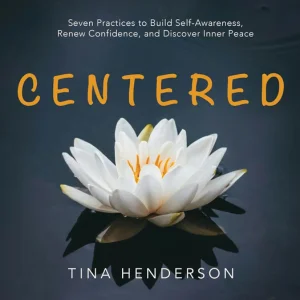
Centered by Tina Henderson is a poetic and empowering exploration of the journey inward. Henderson, with warmth and clarity, presents seven simple yet profound practices to help readers cultivate self-awareness, rebuild lost confidence, and rediscover the quiet power of inner peace. Rather than offering a dry prescription or distant spiritual ideals, this book is grounded in lived experience and practical wisdom—a soulful invitation to clear mental clutter, reconnect to what truly matters, and live with authenticity and joy.
This blog walks you through each of the seven practices in detail, illustrating the ways Henderson’s guidance can illuminate your path toward a more balanced, confident, and peaceful life. Along the way, we’ll delve into the heart of Henderson’s core message and reflect on why Centered matters in a world of constant noise and distraction.
Practice 1: Morning Stillness – Cultivating Presence at Daybreak
The journey begins each day with the power of intentional stillness. Henderson guides you to start your morning not with screens, rushing, or anxious thoughts, but with a moment of quiet. By anchoring yourself in breath, gentle movement, or silent reflection, you give your mind space to wake up slowly and your spirit space to expand.
- Benefits: Deeper presence, reduced reaction to stress, a stronger sense of self before the day’s demands begin.
- How to Practice: Try journaling a gratitude list, sitting quietly with your coffee, or listening to the sounds outside your window before checking your phone or emails.
Why it matters: When you grant yourself the grace of intentional stillness, you create an internal sanctuary of calm that you can return to all day long.
Practice 2: Compassionate Self-Talk – Shifting the Inner Dialogue
So many people carry a harsh inner critic that poisons self-esteem. Henderson’s second practice is to nurture compassionate self-talk—to quiet the voice of judgment and encourage the voice of kindness and self-acceptance.
- Core tactics: Swap “I should be better” with “I’m doing the best I can.” When mistakes are made, respond with learning and forgiveness.
- Daily ritual: Notice your self-talk patterns, especially when you’re tired, stressed, or disappointed. Gently reframe negative statements as if you were speaking to a dear friend.
Why it matters: Positive self-talk is not about ignoring flaws, but supporting growth. It helps rewrite limiting beliefs and opens the door to genuine confidence and self-trust.
Practice 3: Connection With Body and Breath – Grounding in the Present
Our modern lives pull us into endless busyness and mindless habits. Henderson’s third practice is a reminder: the body is a living anchor to the now. Through mindful breathing, gentle yoga, stretching, or simply pausing to scan your body, you bring awareness back home.
- Exercises: Take mindful breaks at work to breathe and stretch. Tune into sensations in your hands, feet, or belly during waiting moments.
- Impact: Greater resilience to anxiety, less emotional reactivity, increased vitality.
Why it matters: The body never lies—it always lives in the moment. By tuning into it, you break cycles of rumination and overthinking.
Practice 4: Boundaries – Protecting Your Space and Energy
True self-awareness includes understanding how to set healthy boundaries. Henderson teaches that saying “no” with grace, communicating needs clearly, and honoring your limits are acts of self-respect, not selfishness.
- Boundaries in action: Declining invitations that drain, limiting screen time, requesting help—from family, friends, or coworkers—without guilt.
- Results: Less burnout, more respect (from self and others), and a clearer sense of identity.
Why it matters: Without boundaries, self-care falls apart and resentment grows. With clear boundaries, you protect the soil from which confidence and peace arise.
Practice 5: Letting Go – Releasing Past Hurts and Expectations
Holding onto old pains, comparisons, or the pressure to be perfect depletes energy and clouds joy. Henderson’s fifth practice is the art of letting go—accepting what cannot be changed, forgiving what must be forgiven, and releasing expectations that no longer serve you.
- Practical tips: Reflect on what you’re holding onto. Write a letter to your past self. Try a simple “release” meditation, breathing out old tension and breathing in acceptance.
- Transformation: More lightness, more adaptability, and the freedom to show up authentically, moment by moment.
Why it matters: Letting go is not weakness; it is an active process of opening up space for new growth and happiness.
Practice 6: Cultivating Joyful Curiosity – Embracing the Everyday
Henderson’s sixth practice encourages the spirit of discovery and wonder. Children find joy in small things; adults can reclaim this playful attentiveness by approaching life with curiosity.
- How to use: Try new activities, explore the natural world, ask “What can I learn right now?” even during daily routines.
- Outcomes: More motivation, increased creative thinking, and a stronger sense of purpose.
Why it matters: Curiosity disrupts boredom and reactivity. It helps uncover passions, strengthens relationships, and makes life richer.
Practice 7: Rest and Integration – Honoring the Rhythm of Renewal
Self-awareness and growth require rest. Henderson’s seventh and final practice is to honor the need for renewal through sleep, pauses, solitude, and simply “being” rather than doing.
- Tips: Schedule unscheduled time. Take restful walks. Avoid the trap of equating busyness with worth.
- Benefits: Deeper insights, renewed confidence, and a core of inner peace that persists through challenges.
Why it matters: Without periods of stillness and restoration, personal growth becomes a grind. Rest is the soil in which transformation takes root.
The Heart of Henderson’s Message
Tina Henderson’s message is beautifully clear and powerfully needed:
You do not need to chase peace or confidence—they arise from re-centering in your truest self, caring for your needs, and returning to practices that ground and replenish you.
These seven practices are not quick fixes, but lifelong companions:
- Presence builds self-awareness
- Kindness heals the inner dialogue
- Breath and body anchor us to reality
- Boundaries create safety for growth
- Letting go allows for forward movement
- Curiosity keeps life fresh and joyful
- Rest sustains insight and confidence
Each practice is a step deeper into balanced living and the rediscovery of a peaceful and empowered self.
Why Centered Matters for Modern Living
In a digital age that prizes hustle, comparison, and constant stimulation, Henderson’s book is a gentle rebellion. It gives practical tools for cultivating stillness, authenticity, and purpose—ingredients often missing in the relentless rush of everyday life.
Centered is an important companion for anyone seeking clarity after loss, burnout after ambition, or simply wanting to live with more grace and joy. Its wisdom is universal—equally helpful for those starting a journey of healing and those further along the path.
Related Articles


Final Thoughts: The Journey Home
Centered: Seven Practices to Build Self-Awareness, Renew Confidence, and Discover Inner Peace is not just a book, it’s an invitation to reclaim your inner world. Tina Henderson’s empowering, practical steps serve as lanterns along the winding path of self-discovery, reminding us that the way home is through presence, kindness, healthy limits, and rest.
If you are ready to cut through the noise, heal old wounds, and foster a more centered, joyful life, these seven practices are a map and a magic key.
FAQs
1. What does it actually mean to feel “centered”?
Feeling centered means being deeply anchored in the present moment rather than being tossed around by external stress or racing thoughts. When you practice self-awareness and intentional mindfulness, you stay grounded in your authentic values. This stability gives you the mental clarity and calm needed to navigate life’s challenges without losing your inner peace.
2. How do daily centering practices help renew confidence?
Centering practices silence harsh inner criticism by reconnecting you to your inner strengths. Daily habits like mindful journaling, intentional breathing, and conscious self-reflection build emotional resilience. When you understand your emotional triggers and learn to respond instead of react, your self-trust grows, naturally renewing authentic confidence in your daily choices.
3. How much time do I need each day to practice these 7 habits?
You don’t need hours of isolation to find inner balance; just 5 to 15 minutes each day is plenty to start. Consistency matters far more than duration. Integrating brief mindfulness pauses, gratitude check-ins, or grounding breathwork into your morning or evening routine will quickly build lasting self-awareness and peace.
4. Can mindfulness and breathwork help reduce daily anxiety?
Yes, simple mindful breathing directly engages your parasympathetic nervous system, slowing your heart rate and easing tension. When you take short, conscious pauses throughout a busy workday, you interrupt anxious thought cycles. This grounding habit brings you straight back to the present moment, restoring clarity, calm, and emotional balance.
5. What is the easiest way for a beginner to start discovering inner peace?
Start with just one micro-practice, such as five minutes of quiet morning reflection or keeping a brief gratitude journal. Trying to adopt all seven habits at once can feel overwhelming. By focusing on one simple mindfulness ritual that feels natural, you build sustainable self-awareness, steady confidence, and lasting inner peace step-by-step.