Finding Peace Starts When You Stop Fighting Yourself
Finding Peace can feel impossible when your mind never stops racing.You wake up thinking about unfinished tasks. You scroll through social media and compare your life to others. You replay old mistakes at night and worry about the future before you even sleep. The world keeps demanding more, while your inner world quietly begs for a moment of silence.
If this sounds familiar, you're not alone.
Many people spend years searching for happiness, success, and validation, only to realize that what they truly crave is peace. Not the kind of peace that comes from escaping life, but the kind that stays with you even when life gets messy.
The good news?
Finding Peace isn't about moving to a mountain, becoming a monk, or abandoning your responsibilities. It's about learning how to create calm within yourself, regardless of what's happening around you.In this guide, you'll discover practical spiritual insights, mindset shifts, and daily habits that can help you stop overthinking, reduce stress, and experience genuine inner peace.
Why Is Finding Peace So Difficult Today?
Modern life is louder than ever.We are constantly connected yet emotionally disconnected. Notifications compete for our attention. News cycles keep us anxious. Social media convinces us that everyone else is happier, richer, and more successful.Our minds rarely get a chance to rest.The problem isn't that life has challenges. Challenges have always existed. The problem is that our minds never stop reacting to them.
Many people believe peace will arrive when:They earn more money
They find the perfect relationship
They buy their dream home
They achieve a major goal
But peace doesn't work that way.If your mind is chaotic today, external achievements rarely create lasting calm tomorrow.True peace begins internally.

What Does Finding Peace Actually Mean?
Finding Peace isn't about eliminating every stressful situation from your life.It's about changing your relationship with stress.Inner peace means:Accepting what you cannot controlManaging your reactionsLiving in the present momentReleasing unnecessary mental burdensTrusting life's journeyImagine your mind as a lake.When strong winds blow, the surface becomes disturbed. Thoughts, worries, and fears create waves.But beneath those waves, the water remains calm.The same is true for you.Your deepest self is naturally peaceful. The challenge is learning how to reconnect with that peaceful state beneath the mental noise.According to mindfulness research from the American Psychological Association, mindfulness practices can significantly reduce stress, anxiety, and emotional reactivity.
The Hidden Cost of Overthinking
One of the biggest obstacles to Finding Peace is overthinking.
Overthinking creates problems that don't exist.
You replay conversations.
You imagine worst-case scenarios.
You analyze every decision repeatedly.
The result?
Mental exhaustion.Ironically, overthinking often masquerades as problem-solving. We convince ourselves we're preparing for the future when we're actually draining our energy.
Signs you're trapped in overthinking include:
Difficulty sleeping
Constant worry
Indecisiveness
Mental fatigueTrouble focusing
Emotional overwhelm
The solution isn't forcing yourself to stop thinking.
The solution is learning to observe your thoughts without becoming trapped by them.
Think of thoughts like clouds passing through the sky.
You don't need to chase them.
You don't need to fight them.
You simply let them pass.
The Power of Living in the Present Moment
Most suffering comes from living somewhere other than the present.
We dwell on the past.
We worry about the future.
Rarely do we fully experience now.
Yet peace exists only in the present moment.
Ask yourself:Right now, at this exact second, what problem actually exists?
Often, you'll notice that the stress is coming from thoughts about yesterday or tomorrow.
Practicing presence can dramatically improve your emotional well-being.
Simple ways to become more present:
Focus on your breathing
Observe your surroundings
Eat without distractions
Walk mindfully
Listen fully during conversations
When you bring your attention back to now, anxiety begins to lose its power.
For additional guidance on mindfulness and awareness, explore Mindfulness.
Letting Go: The Secret Ingredient for Finding Peace
Many people seek peace while holding onto anger, regret, resentment, and unrealistic expectations.
It's like trying to swim while carrying heavy stones.
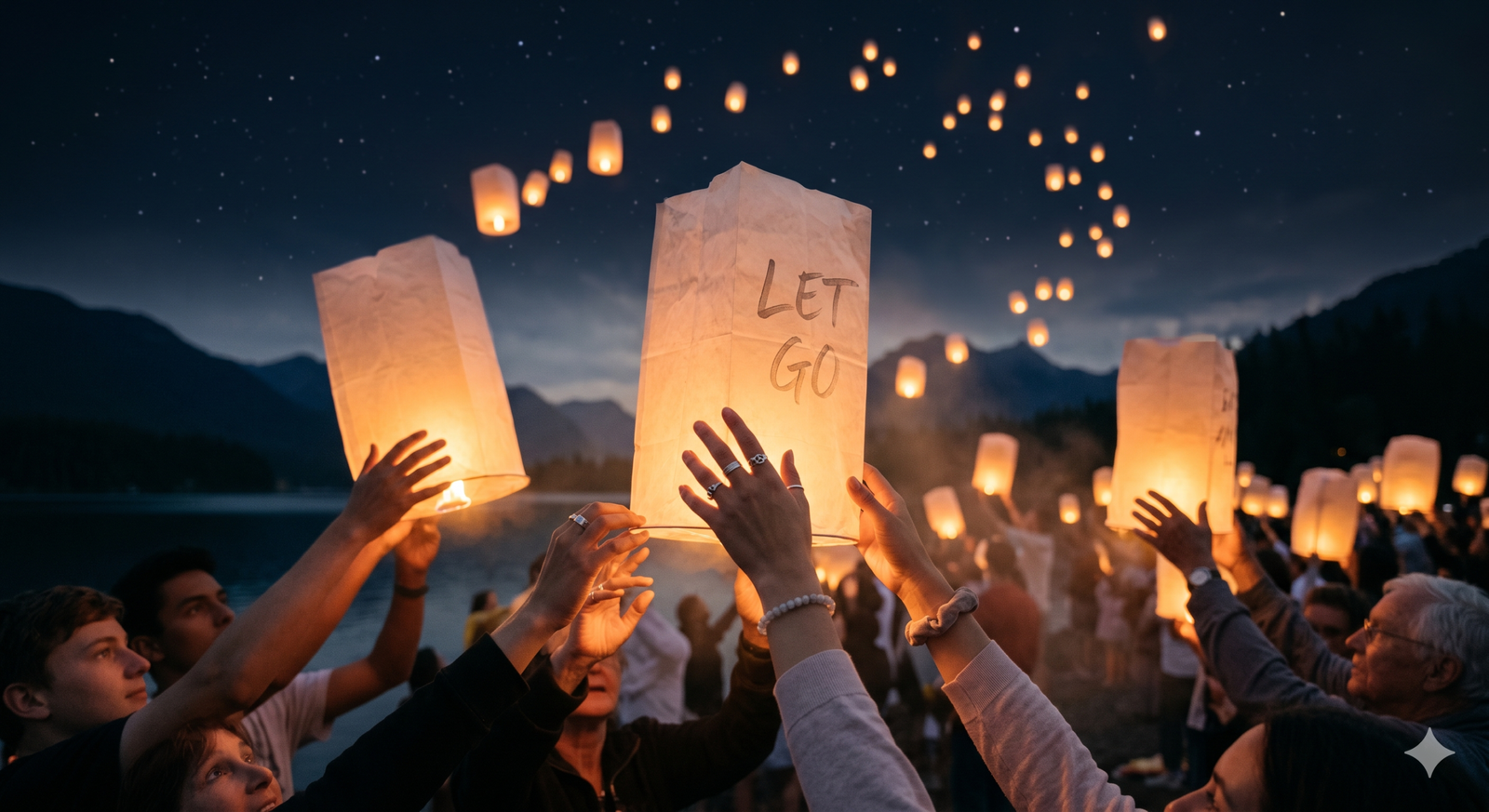
Peace requires letting go.
Let go of:
Past mistakes
Unnecessary guilt
Toxic relationships
Unrealistic expectations
The need to control everything
Letting go doesn't mean giving up.
It means freeing yourself from emotional burdens that no longer serve you.
Forgiveness plays a major role here.
Forgiveness isn't about excusing someone's actions.
It's about refusing to carry the pain forever.
The person who benefits most from forgiveness is often you.
Daily Habits That Help You Find Peace
Finding Peace is not a one-time achievement.
It's a daily practice.
Small actions performed consistently create profound transformation.
1. Start Your Day Without Your Phone
Avoid checking notifications immediately after waking up.
Give your mind space before inviting the world in.
2. Practice Gratitude
Write down three things you're grateful for each day.
Gratitude shifts attention from scarcity to abundance.
3. Spend Time in Nature
Nature naturally calms the nervous system.
Even a short walk can reset your mental state.
4. Limit Negative Information
Protect your mental environment.
Not every piece of news deserves your attention.
5. Create Moments of Silence
Silence allows your mind to recharge.
Just five minutes can make a difference.
Spiritual Practices That Support Inner Peace
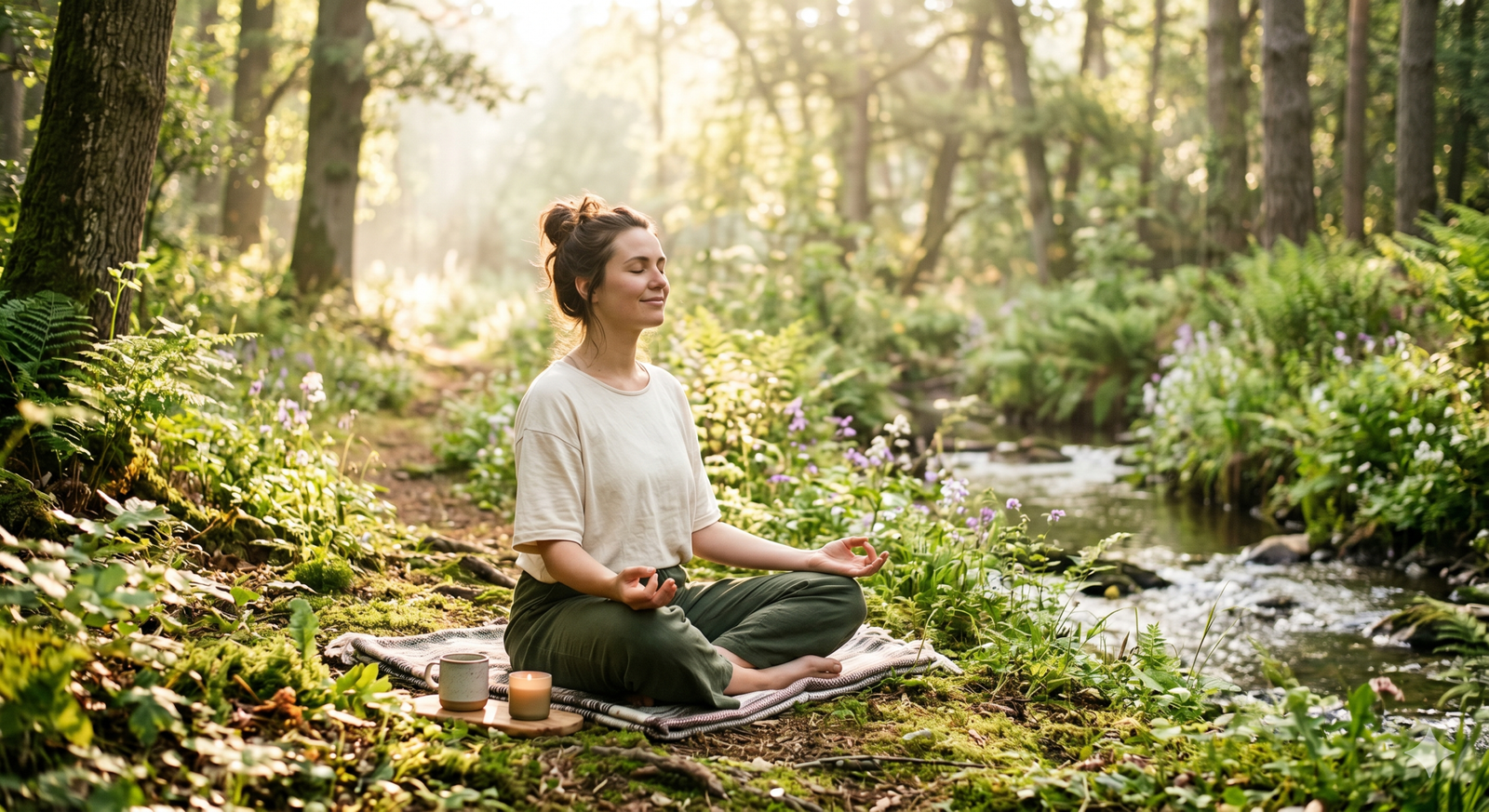
Spirituality can be a powerful pathway toward Finding Peace.This doesn't require following any specific religion.
Spirituality simply means connecting with something deeper than daily worries.Helpful practices include:
Meditation
Meditation trains your attention and reduces mental noise.
Prayer
Prayer creates a sense of connection, surrender, and trust.
Journaling
Writing helps process emotions and gain clarity.
Breathwork
Conscious breathing activates the body's relaxation response.
Reading Spiritual Wisdom
Inspirational teachings often provide perspective during difficult times.
Related Internal Reading:
https://spiritualkhazaana.com/how-to-stop-overthinking/
https://spiritualkhazaana.com/spiritual-awakening-signs/
https://spiritualkhazaana.com/mindfulness-for-beginners/
Learning to Accept What You Cannot Control
Many people suffer not because of reality itself but because they resist reality.
Acceptance doesn't mean liking everything.
It means acknowledging what is.
When you stop arguing with reality, peace becomes possible.
Ask yourself:Can I control this?
Is worrying helping?
What action can I take right now?
If action is possible, take it.
If action isn't possible, practice acceptance.
This simple distinction can save enormous amounts of emotional energy.As the famous Serenity Prayer reminds us:
"Grant me the serenity to accept the things I cannot change, courage to change the things I can, and wisdom to know the difference."
How Finding Peace Improves Every Area of Life
Peace isn't passive.
It's powerful.
When you find inner peace:
Relationships improve
Decision-making becomes clearer
Productivity increases
Stress decreases
Physical health benefits
Emotional resilience grows
Research from the National Institutes of Health suggests mindfulness and stress reduction practices can positively impact both mental and physical health.
Finding Peace isn't just good for your mind.
It's good for your entire life.

Conclusion: Peace Is Closer Than You Think
Finding Peace isn't about fixing every problem in your life.
It's about changing how you relate to those problems.
Peace begins the moment you stop searching for it outside yourself and start nurturing it within.
You don't need a perfect life.
You don't need perfect circumstances.
You simply need the willingness to slow down, let go, and reconnect with the calm that's already inside you.
Every mindful breath.
Every grateful thought.
Every moment of acceptance.
These small choices gradually create a peaceful life.
And that journey can begin today.
Frequently Asked Questions About Finding Peace
1. How long does it take to start finding peace through meditation?
Most people notice subtle shifts within 2-4 weeks of consistent practice. However, Finding Peace is progressive—benefits compound over months and years. Even one minute of daily practice creates neural changes.
2. Can I find peace without meditation?
Absolutely. While meditation is powerful, Finding Peace also comes through mindful movement, creative expression, time in nature, service, and breathwork. Choose practices that resonate with you.
3. Is finding peace selfish when others are suffering?
No. In fact, Finding Peace makes you more effective at helping others. You can't pour from an empty cup. Inner peace gives you the clarity, patience, and energy to serve from abundance rather than depletion.
4. What if I have anxiety or depression—can I still find peace?
Yes, but be patient and compassionate with yourself. Finding Peace with clinical conditions often requires professional support alongside spiritual practices. Consider therapy, medication if needed, and gentle mindfulness practices.
5. How do I maintain peace during major life crises?
During crises, scale back to basics: breath awareness, one task at a time, accepting support, and remembering that difficult emotions are temporary. Finding Peace during crisis means allowing yourself to feel while trusting your resilience.
✨ Save this guide for later
✨ Share it with someone who overthinks
✨ Follow for more practical spirituality and mindful living