Table of Contents
ToggleNo Excuses! Keys to Success: 21 Rules to Build Discipline (2026)
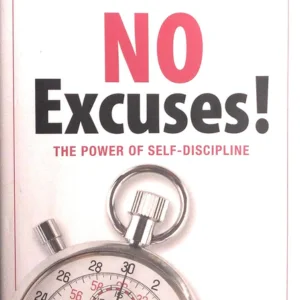
Brian Tracy’s No Excuses! is a bestselling, practical guide to radical self-mastery. Its core message is simple: self-discipline is the most critical ingredient to success in any sphere of life. Whether you want to excel in your career, finances, relationships, or health, this book teaches that the “secret” to lasting achievement isn’t talent, luck, or resources—it’s doing what needs to be done, even when you don’t feel like it.
Across its three parts, Tracy offers tools to stop blaming circumstances, excuses, or the past—while providing clear, actionable habits to transform your mindset, habits, and results.
Below, you’ll find a detailed, chapter-by-chapter summary and review, followed by the core message Tracy wants every reader to take away.
Part 1: Self-Discipline and Personal Success
Self-Discipline and Success
Tracy opens with the assertion that self-discipline is the “key to greatness.” Top performers in every field share this trait—they do what’s necessary even when it’s uncomfortable. He challenges the reader to banish the phrase “I can’t” and instead commit to self-mastery.
Key lesson: All achievement flows from acting with discipline, not mood.
Self-Discipline and Character
Your reputation and self-esteem are anchored to your character—the sum of your choices. Tracy details how honesty, integrity, and reliability are habits you build (and can rebuild) over time. Saying “no” to temptation strengthens character muscle.
Practical tip: Use your principles as a compass, even in small, unseen decisions.
Self-Discipline and Responsibility
Here, Tracy explains that blaming others is the root of mediocrity. The most successful people accept complete responsibility for their actions, results, and happiness. Freedom comes only when we stop making excuses.
Action step: List five areas where you’re blaming others, and commit to taking ownership.
Self-Discipline and Goals
Goal-setting is where dreams become plans. Tracy insists on writing clear, realistic goals, then breaking them into actionable steps. The famous “Seven Step Goal Setting Method” appears here:
- Decide exactly what you want.
- Write it down.
- Set a deadline.
- Make a list of actions.
- Organize that list by priority.
- Take action immediately.
- Do something every day.
Quote: “People with clear, written goals, accomplish far more in a shorter period of time.”
Self-Discipline and Personal Excellence
Here, the focus is on being your own “CEO.” Self-discipline means continually investing in yourself through learning and practice. Tracy argues that most people operate at a small fraction of their potential—continuous self-improvement turns ordinary into extraordinary.
Techniques:
- Read 30–60 minutes daily
- Attend courses, seek mentorship
- Reflect on your progress weekly
Self-Discipline and Courage
Courage is taking action despite fear. Tracy explains that fear is inevitable but can be managed through discipline. He teaches the “Disaster Report” technique—define your fear’s worst outcome, brainstorm responses, and push through.
Application: Make a list of things you would do if you were unafraid. Start with the most meaningful.
Self-Discipline and Persistence
Persistence is what keeps discipline alive over time. Success rarely comes quickly; it is built by those who persevere when others quit. Tracy offers ways to stay motivated: visualizing your goals, tracking small wins, and using setbacks as fuel.
Practice: Create a “Persistence Log” to track how you overcome daily obstacles.
Related Articles


Part 2: Self-Discipline in Business, Sales, and Finances
Self-Discipline and Work
Tracy addresses procrastination, the enemy of productivity. He recommends the “ABCDE Method” to prioritize tasks: A—most important, B—should do, C—nice to do, D—delegate, E—eliminate. Start each day with your A tasks.
Tip: Apply the “Eat That Frog” rule—do your hardest, highest value work first.
Leadership
Leadership is character-based. Tracy says self-discipline makes leaders trustworthy and inspiring. Lead by example, communicate clearly, and demand high personal standards.
Action point: Make promises you can keep, and never ask more of others than you demand from yourself.
Business
Entrepreneurial success is about long-term strategic thinking and discipline. Tracy identifies the CANEI method: “Continuous And Never-Ending Improvement.” He warns against chasing fads and urges business owners to focus on systems, customer-centered thinking, and ruthless self-assessment.
Sales
Discipline in sales involves consistent prospecting, following up, and learning from each interaction. Tracy covers how top salespeople master scripts, overcome rejection, and develop thick skin through repetition and routine.
Advice: Set daily sales targets, review results, and refine your approach continuously.
Money
Tracy’s advice on wealth is pragmatic: practice delayed gratification, live beneath your means, and save or invest a fixed percentage of income (ideally 10 to 20%). Financial freedom is built day-by-day, not through windfalls.
Habits:
- Track every expense
- Avoid impulse purchases
- Turn saving into an automatic process
Time Management
Time is your most precious resource. Tracy explains the Pareto Principle (80/20 rule): 20% of your activities deliver 80% of your results. Ruthlessly prioritize, batch similar tasks, use a planner, and say “no” to distractions.
Key method: Plan each day the night before.
Problem Solving
Success is facing and solving bigger problems through creativity and discipline. Tracy suggests formal problem-solving steps:
- Define the problem clearly
- List possible causes
- Generate solutions
- Take action and adjust
Part 3: Self-Discipline and the Good Life
Happiness
Self-discipline is the foundation of lasting happiness. Tracy shows how self-control boosts self-esteem, reduces stress, and improves relationships. Genuine fulfillment comes from living with purpose and responsibility.
Action: List your “happiness factors” and monitor your habits that contribute to them.
Personal Health
Discipline extends to what you eat, how you move, and how you rest. Tracy recommends reducing sugar, salt, and flour; exercising daily; and sleeping to recover. Health is wealth, and consistent habits pay off over decades.
Physical Fitness
While similar to health, here Tracy stresses setting clear fitness goals, creating routines, and tracking progress. He also addresses mental fitness: managing stress and developing healthy coping strategies.
Marriage
Discipline in marriage is about communication, patience, and prioritizing your partner. Tracy advocates for regular “marriage appointments,” sincere apologies, and intentional kindness.
Children
Raising successful children means modeling discipline, encouraging positive habits, and setting clear expectations. Tracy recommends consistent routines and gentle, firm boundaries.
Friendship
Tracy asserts that disciplined people are dependable friends. Investing time and attention, listening well, and sustaining relationships require effort and reliability.
Peace of Mind
The final chapter circles back: real peace is only possible when you control your thoughts, act with integrity, and forgive both others and yourself. Self-discipline is, ultimately, the path to deep contentment.
Tracy’s Core Message: Why No Excuses Matter
Brian Tracy’s lasting message is that self-discipline is the master key to every kind of human flourishing. While most look for shortcuts or external solutions, Tracy wants readers to recognize that consistent effort, intentional planning, and personal responsibility yield the results we desire.
Major Themes and Lessons:
- Self-discipline beats talent or luck—it’s available to anyone who chooses it.
- Every area of life requires discipline: business, health, relationships, finances, happiness.
- Habits are formed by repeated decisions: the more you follow through, the stronger your willpower grows.
- Stop making excuses: blame, resentment, and stagnation are self-imposed prisons.
Review: Why This Book Works
No Excuses! stands out due to its clear organization, actionable steps, and breadth—it covers every life sphere with practical wisdom. Tracy writes with the compassion of someone who’s seen transformation firsthand, but offers no sympathy for self-pity. Each chapter ends with simple “self-discipline exercises” for readers to implement.
Strengths:
- Covers personal and professional topics exhaustively
- Realistic, no-nonsense tone
- Encourages immediate application
- Useful for new graduates, seasoned professionals, and anyone seeking change
Potential Criticisms:
- Repetitive emphasis on discipline (but repetition is part of mastery)
- Less focused on deeper emotional or psychological barriers
Final Reflection
Brian Tracy’s No Excuses! is a must-read manual for building discipline and achieving your own definition of success. Through 21 focused chapters, he equips readers with the tools, mindset, and habits to move past excuses and create the best version of themselves. If you are yearning for change, growth, or mastery in any area, this book offers the structured, encouraging push to help you get there—no excuses.
FAQs
1. What is the main message of self-discipline for success?
The core message is that personal responsibility drives true achievement. When you stop making excuses and build consistent self-discipline, you take complete control over your goals. Mastering daily habits, managing time wisely, and staying committed even when motivation fades are the essential keys to unlocking lasting success in your life and career.
2. How does practicing self-discipline lead to long-term success?
Self-discipline bridges the gap between setting goals and actually achieving them. By making conscious choices every day—like staying focused, avoiding distractions, and pushing through obstacles—you build the momentum needed for long-term success. Over time, these disciplined actions become natural habits, allowing you to achieve consistent personal and professional growth.
3. Can anyone learn self-discipline, or is it an innate trait?
Self-discipline isn’t something you are born with; it is a skill you develop with practice. Anyone can build strong self-discipline by starting with small daily promises to themselves. As you consistently follow through on minor tasks, you strengthen your willpower, eliminate excuses, and build the confidence required to tackle much bigger life goals.
4. Why are excuses the biggest obstacle to achieving your goals?
Excuses give you a convenient reason to stay in your comfort zone and avoid taking real responsibility. When you blame external circumstances, you hand over your power to change things. Overcoming excuses means adopting a proactive mindset, taking ownership of your outcomes, and staying dedicated to self-discipline even when things get tough.
5. How can I start applying these keys to self-discipline in daily life?
Start by choosing one small habit to master each day, such as waking up earlier or planning your priorities every morning. Focus on consistency rather than perfection. By committing to non-negotiable daily actions and refusing to accept excuses, you will steadily cultivate the ultimate discipline needed to reach your full potential.