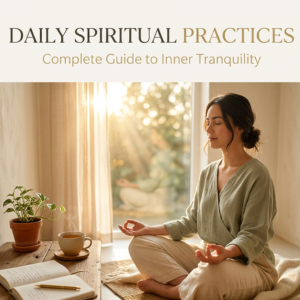
Incorporating daily spiritual practices into your routine can be the bridge between a chaotic mind and a soul that feels truly at home. We’ve all been there—waking up to the jarring sound of an alarm, immediately reaching for a phone, and letting a wave of emails and headlines dictate our mood before our feet even hit the floor. The stress feels heavy, the overthinking never stops, and that "peaceful life" everyone talks about feels like a distant dream reserved for monks on mountaintops.
But here is my promise to you: peace isn’t a destination you reach; it’s a frequency you tune into through small, intentional habits. By the end of this guide, you will have a realistic, soulful roadmap to reclaim your calm, even in the middle of a busy schedule.
Why Daily Spiritual Practices are the Secret to Lasting Peace
Have you ever felt like you’re running a race with no finish line? That’s what life feels like when we lack a spiritual anchor. When I first started exploring daily spiritual practices, I thought I had to sit in silence for hours. I was wrong. It’s about the "micro-moments"—the three minutes of breathing before a meeting, the way you sip your tea, or the silent gratitude you feel while stuck in traffic.
Spirituality isn't just about religion; it’s about connection. It’s the realization that you are part of something much larger than your to-do list. When you commit to daily spiritual practices for a peaceful life, you aren't just "relaxing." You are literally retraining your nervous system to respond to life with grace instead of panic.

1. The Power of Morning Stillness
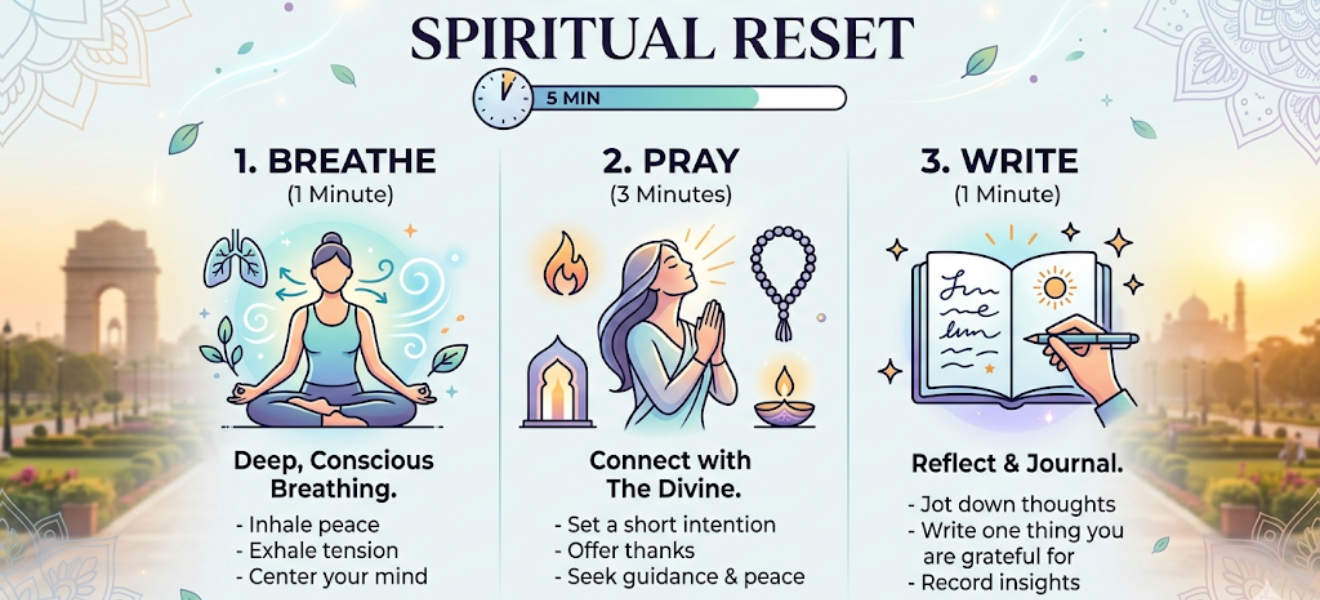
The first hour of your day is the "rudder" of your soul. If you start it in a state of reaction—checking notifications or rushing—you’ve already handed over your peace. Instead, try "The Sacred Pause." Before you even get out of bed, take five deep breaths. Feel the air enter your lungs and acknowledge the gift of a new day. This is one of the most foundational daily spiritual practices because it establishes you as the observer of your life, not just a participant in the chaos.
Morning Rituals to Try:
Minimalist Meditation: Sit for just 5 minutes. Focus on the tip of your nose.
Sacred Reading: Read one page of a book that inspires you—perhaps a collection of Rumi’s poems or a modern spiritual guide.
Sun Gazing: Stand by your window and let the morning light hit your face for 60 seconds.
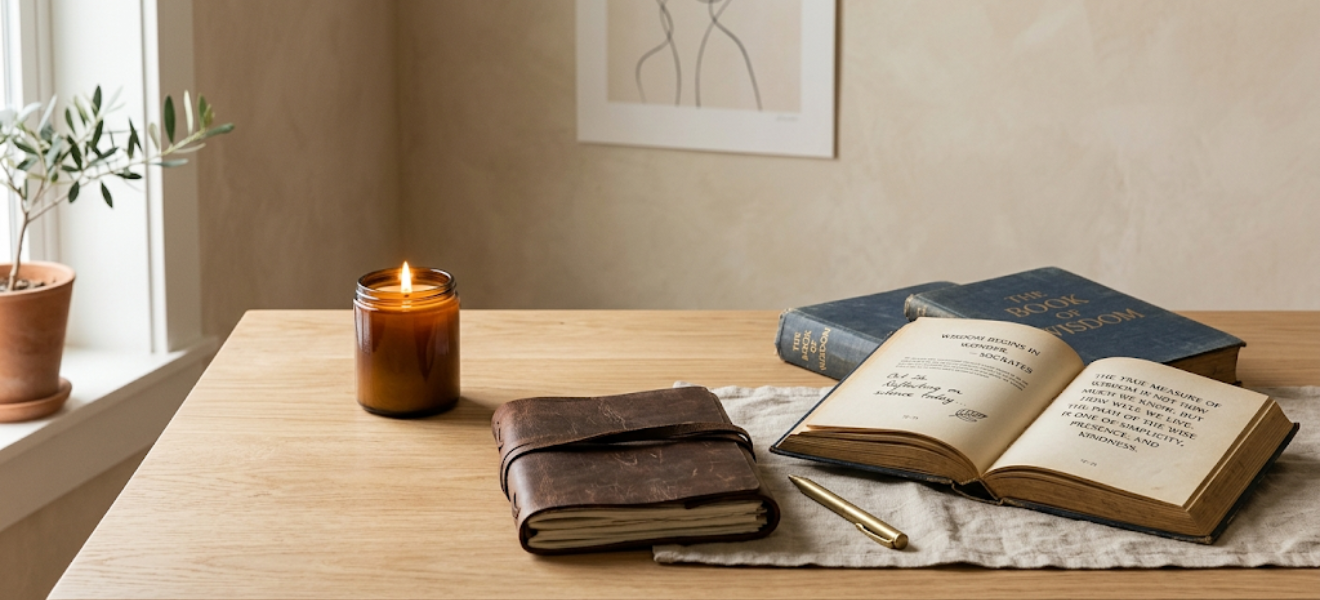
Check out our guide on how to meditate for beginners to deepen your morning routine.
2. Incorporating Daily Spiritual Practices into Your Workday
Most people think spirituality stops once the "real world" begins at 9:00 AM. In reality, your workplace is the ultimate training ground for your spirit. If you can maintain your center while navigating a difficult conversation or a looming deadline, you are mastering the art of daily spiritual practices.
One technique I love is "The Breath Reset." Every time you receive a notification, take one conscious breath before opening it. This tiny gap prevents the "fight or flight" response from taking over. It transforms a digital distraction into a spiritual invitation.
Mid-Day Spiritual Checklist:
Grounding: Take off your shoes for 5 minutes and feel your feet on the floor (or grass if possible).
Mindful Eating: Eat your lunch without a screen. Taste every spice, feel every texture.
Affirmations: Silently repeat, "I am centered, I am capable, and I am at peace."

3. Healing Through Sacred Movement
Your body is the temple for your spirit. We often store trauma and stress in our hips, shoulders, and jaw. Engaging in sacred movement—whether it's Yoga, Tai Chi, or just a slow walk in nature—is one of the most effective daily spiritual practices for a peaceful life.
When you walk, don't just move from point A to point B. Feel the earth supporting you. Listen to the birds. Notice the way the leaves dance in the wind. This is "walking meditation," and it’s a powerful way to quiet the "monkey mind" that loves to overthink the future.

4. The Art of Journaling and Soul-Dumping
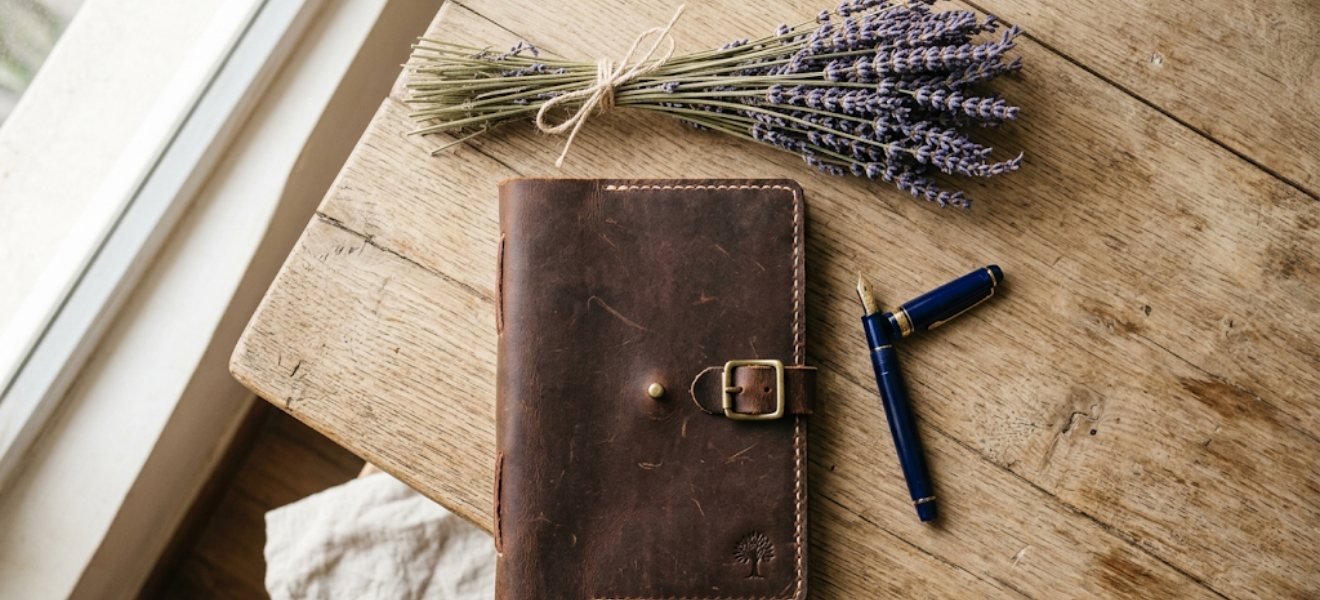
Overthinking is simply energy with nowhere to go. By putting pen to paper, you give that energy a destination. Journaling is one of those daily spiritual practices that acts like a mirror for your soul. You don't need to be a writer; you just need to be honest.
Try "Scripting Your Peace." Write down how you want your day to feel as if it has already happened. For example: "Today, I moved through my tasks with ease and met every challenge with a calm heart." This aligns your subconscious mind with your spiritual intentions.
Journaling Prompts for Inner Peace:
- What is one thing I am holding onto that no longer serves me?
- Where did I see "The Divine" or magic in my life today?
- If my soul could speak right now, what would it say?
5. Nighttime Surrender: Closing the Circle
Just as you have a morning ritual, your evening ritual should focus on "unloading." To live a truly peaceful life, you must learn the art of surrender before sleep. This means handing over your worries, your "to-dos," and your mistakes to a higher power.
One of my favorite daily spiritual practices is the "Gratitude Scan." As you lie in bed, go through your day chronologically and find three things to be grateful for. Even on a bad day, you can be grateful for the cold water you drank or the fact that you have a bed to rest in.
A Simple Evening Routine:
Digital Sunset: Turn off screens 60 minutes before bed.
Salt Bath: Use Himalayan salt to "wash away" the day's energy.
Prayer or Intention: A simple, "Thank you for this day. I release what I cannot control."

6. Building Your "Spiritual Khazaana" (Treasure)
The word "Khazaana" means treasure. Your daily spiritual practices are the gold coins you save in your heart for a rainy day. When life gets hard—and it will—you won't have to scramble for peace; you will already have a reservoir of it built up.
According to research from the National Institutes of Health, people who engage in regular spiritual activities show lower levels of cortisol and higher resilience. It’s not just "woo-woo"; it’s biological.
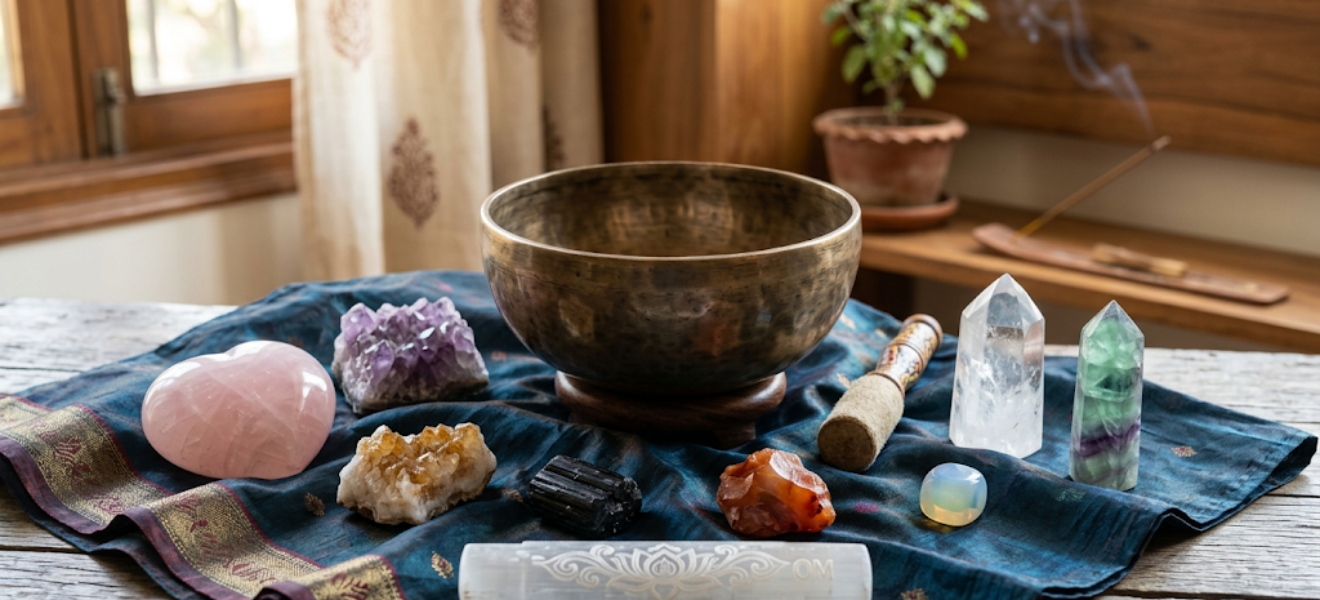
Essential Tools for Your Practice:
Crystals: Amethyst for peace, Selenite for clearing.
Incense/Oils: Sandalwood for grounding, Lavender for sleep.
Sound: Singing bowls or 528Hz "Love Frequency" music.
7. Overcoming the Obstacles to Consistency
"I don't have time." This is the biggest lie our ego tells us. The truth is, we have time for what we value. If you have time to scroll through Instagram for 20 minutes, you have time for daily spiritual practices.
Start small. Don't try to change your whole life in 24 hours. Pick one practice from this list and do it for seven days. Once it feels like second nature, add another. Spirituality is a marathon, not a sprint.
Common Roadblocks & Solutions:
Distractions: Create a "Sacred Space" in your home where your phone is banned.
Boredom: Rotate your practices. If meditation feels stale, try chanting or dancing.
Self-Doubt: Remember that there is no "wrong" way to be spiritual. Your path is unique.
Learn more about the psychology of habit formation to make your practices stick.
8. The Ripple Effect of a Peaceful Life
When you change your internal world through daily spiritual practices, your external world begins to shift too. You’ll notice you’re less reactive when someone cuts you off in traffic. You’ll find you’re more patient with your family. You might even find that opportunities start flowing to you more easily because you’re no longer blocking them with stress and resistance.
A peaceful life isn't one without noise; it's the ability to be calm inside the noise. That is the true power of spirituality.
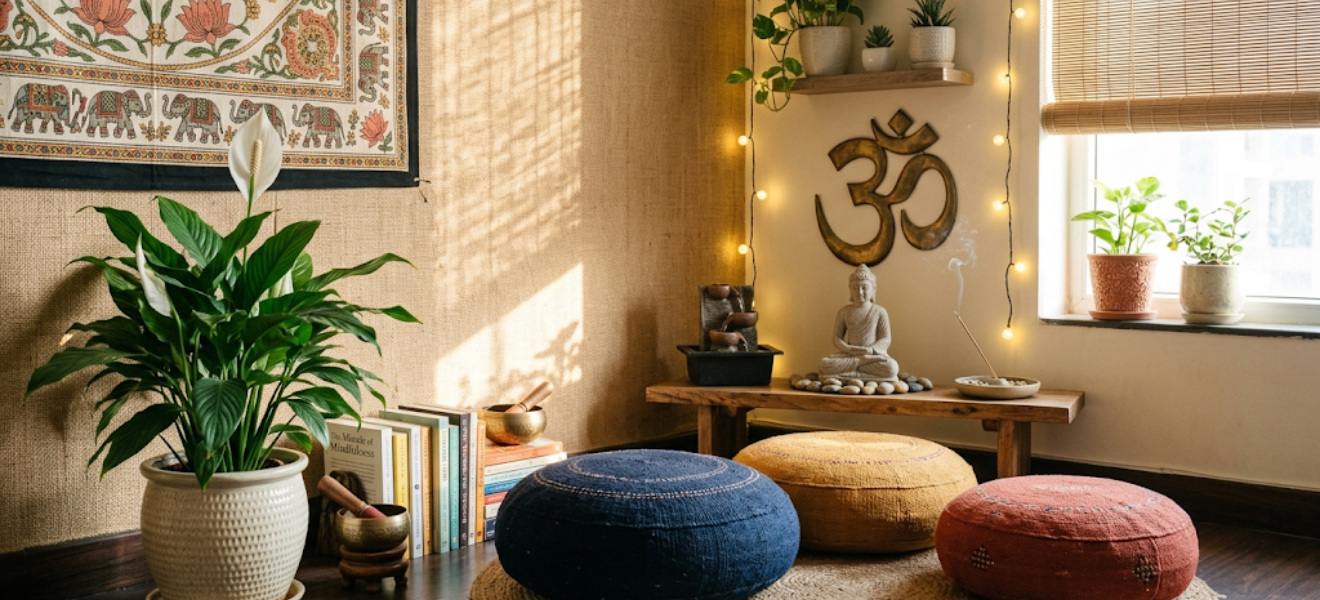
9. Creating a Sacred Space at Home
You don't need a whole room. A small corner or even a shelf can serve as your "Altar of Peace." Fill it with things that remind you of your higher self. This physical anchor makes it much easier to stick to your daily spiritual practices.
What to include in your Sacred Space:
- A photo of a mentor or a symbol of your faith.
- An element of nature (a plant, a stone, or a shell).
- A candle to represent the "inner light."
- Your journal.
Frequently Asked Questions (FAQs)
1. What are the best daily spiritual practices for beginners?
The best practices for beginners are those that are short and simple. Start with 5 minutes of focused breathing, keeping a gratitude journal (writing 3 things daily), and practicing "mindful presence" during a routine task like washing dishes.
2. How can I stay spiritual when I’m extremely busy?
Integrate "micro-practices." Take three deep breaths before every meal, use a spiritual affirmation as your phone password, or listen to uplifting podcasts/mantras during your commute. Spirituality doesn't require extra time; it requires extra awareness.
3. Do daily spiritual practices have to be religious?
Not at all. While many people use religious frameworks, spiritual practices can be purely secular. Focus on connection, mindfulness, kindness, and self-reflection. It’s about your relationship with yourself and the universe.
4. How long does it take to see results from spiritual habits?
Most people feel a sense of "immediate relief" after a single session of deep breathing or meditation. However, lasting changes in your personality and stress levels typically take 21 to 40 days of consistent practice.
5. Can spiritual practices help with anxiety and overthinking?
Yes, absolutely. Daily spiritual practices like grounding and journaling help move energy from the overactive mind into the body. This reduces the "looping" thoughts that cause anxiety and brings you back to the present moment.
Final Thoughts: Your Journey to Peace Starts Now
You don't need to wait for life to get "easier" to find peace. You can start right now, in this very moment, by simply taking a breath and deciding that your peace is a priority. These daily spiritual practices for a peaceful life are not just items on a checklist—they are the way you show love to your soul.
Remember, you are a spiritual being having a human experience. Don't get so caught up in the "human" part that you forget the "spirit."
✨ Save this guide for later to remind yourself of these rituals when life gets loud.
✨ Share it with someone who overthinks and could use a little more calm. ✨ Follow Spiritual Khazaana for more practical spirituality and soul-care tips.