
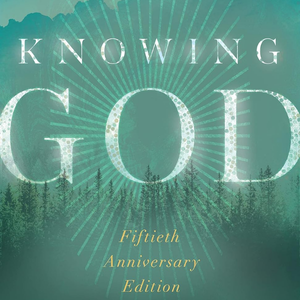
Knowing God by J. I. Packer stands as an enduring Christian classic that tackles a vital distinction: the difference between simply knowing about God and knowing Him personally. First published in 1973, this work systematically explores divine attributes—including God’s wisdom, love, grace, wrath, and faithfulness—while illustrating how doctrinal clarity directly enriches devotional life.
This comprehensive guide breaks down all 22 chapters across the book’s three primary divisions. You will discover Packer’s central theological arguments, actionable lessons for everyday Christian living, an honest evaluation of its strengths and limitations, and a balanced review to help determine if this book belongs on your reading list.
Detail | Information |
Book | Knowing God |
Author | J. I. Packer (James Innell Packer) |
Original Publication | 1973 |
Publisher | InterVarsity Press (North American editions) / Hodder & Stoughton (UK) |
Genre | Christian Theology / Spiritual Formation |
Structure | 3 Parts, 22 Chapters (~286 pages depending on edition) |
Core Theme | Cultivating an authentic, personal relationship with God through a Scripture-grounded understanding of His character |
Table of Contents
ToggleWhat Is Knowing God About?
At its core, Knowing God confronts intellectual complacency within the church. Packer argues that modern believers frequently settle for theological trivia while starving spiritually. The book provides a corrective compass, moving the reader from detached doctrinal speculation into reverent communion with the living God.
Packer systematically unpacks classical Reformed theology with warm pastoral warmth. Rather than treating divine attributes as academic curiosities, he presents them as foundational pillars for daily resilience, worship, and emotional stability. Knowing God is presented not merely as an intellectual pursuit, but as the supreme purpose of human existence.
Book Overview: Author, Publication and Main Message
Born in England in 1926, J. I. Packer was an influential Anglican cleric and evangelical theologian who spent decades teaching at Regent College in Vancouver. Knowing God originated as a sequence of short articles for the Evangelical Magazine before InterVarsity Press compiled them into a unified volume in 1973.
The book’s central thesis can be summarized cleanly: right living flows exclusively from right thinking about God. When our view of God diminishes, our spiritual vitality collapses. Packer insists that experiencing God requires engaging both the intellect and the affections through Scripture, prayer, and persistent obedience.
What Does It Mean to Know God Personally?
Packer clarifies that knowing God personally is entirely reciprocal. It exceeds acknowledging historical facts, assenting to orthodox creeds, or engaging in external religious rituals. To know God involves an active, ongoing relationship initiated by God Himself through the gospel of Jesus Christ.
True relational knowledge of God demands four distinct elements: listening to His voice in Scripture, observing His character in action, accepting His terms of covenant fellowship, and rejoicing in His love. Most crucially, Packer reminds readers that our assurance rests not on our fragile grasp of God, but on the comforting reality that He knows us by name.
Summary of the Three Parts of Knowing God
Packer structured the work into three logical movements, taking the reader from diagnostic introspection to the contemplation of divine character, and finally into victorious everyday application.
Part One: Know the Lord (Chapters 1–6)
The opening section diagnoses spiritual malaise and differentiates between theoretical knowledge and experiential knowledge. Packer sets the stakes: if you fail to grasp God, you will fail to understand yourself or the world around you.
Part Two: Behold Your God! (Chapters 7–17)
The second and largest section examines the individual attributes of God. Packer surveys God’s immutability, majesty, wisdom, love, justice, and wrath, demonstrating how each attribute balances and clarifies the others without internal contradiction.
Part Three: If God Be for Us… (Chapters 18–22)
The final section applies these theological foundations to real-world Christian experience. Packer addresses adoption, divine guidance, overcoming trials, and the unshakeable peace available through Christ’s sacrifice.
Summary of All 22 Chapters
Chapter 1: The Study of God
- Main Idea: Contemplating God is the highest and most humbling exercise the human mind can pursue.
- Biblical Foundation: Jeremiah 9:23–24 (boasting only in understanding and knowing the Lord).
- Key Takeaway: Studying God protects believers from pride and anchors them against life’s storms.
- Practical Reflection: Are you seeking theological knowledge to win arguments, or to deepen your awe of God?
Chapter 2: The People Who Know Their God
- Main Idea: True acquaintance with God produces tangible spiritual energy, great thoughts of God, bold initiative, and genuine peace.
- Biblical Foundation: Daniel 11:32 (the people who know their God shall stand firm and take action).
- Key Takeaway: Spiritual boldness during cultural pressure reveals the depth of one’s knowledge of God.
- Practical Reflection: Does your current routine reflect spiritual boldness or passive cultural compromise?
Related Articles



Chapter 3: Knowing and Being Known
- Main Idea: Knowing God is a personal relationship initiated and sustained by God’s sovereign initiative.
- Biblical Foundation: Galatians 4:9; John 10:14–15 (knowing God, or rather being known by Him).
- Key Takeaway: Our ultimate security rests on God knowing us intimately rather than our perfect comprehension of Him.
- Practical Reflection: How does realizing that God knows your darkest flaws without rejecting you change your prayers?
Chapter 4: The Only True God
- Main Idea: Idolatry is not just worshipping statues; it includes creating mental images of God that disagree with Scripture.
- Biblical Foundation: Exodus 20:4–6 (the Second Commandment prohibiting carved images).
- Key Takeaway: Mental images of God inevitably distort His holiness and reduce Him to our preferences.
- Practical Reflection: Which attributes of God do you habitually downplay because they make you uncomfortable?
Chapter 5: God Incarnate
- Main Idea: The supreme mystery of Christianity is the Incarnation: the Creator taking on genuine humanity without losing divinity.
- Biblical Foundation: John 1:1–14; Philippians 2:5–8 (the Word became flesh).
- Key Takeaway: Jesus Christ is the definitive and fullest revelation of God’s nature and character.
- Practical Reflection: When evaluating God’s posture toward you, do you look at your circumstances or look to Christ?
Chapter 6: He Shall Testify
- Main Idea: The Holy Spirit’s primary mission is to illuminate Jesus Christ and authenticate Scripture.
- Biblical Foundation: John 15:26; 16:13–14 (the Spirit of truth will glorify Christ).
- Key Takeaway: Without the illuminating ministry of the Holy Spirit, biblical truth remains intellectually visible but spiritually dead.
- Practical Reflection: Do you actively pray for the Holy Spirit’s guidance before reading Scripture?
Chapter 7: God Unchanging
- Main Idea: God does not change in His being, perfections, purposes, or promises across generations.
- Biblical Foundation: Malachi 3:6; James 1:17 (no variation or shadow due to change).
- Key Takeaway: God’s immutability ensures that His biblical covenants remain completely reliable today.
- Practical Reflection: In a rapidly shifting culture, how does God’s unchanging nature provide you practical stability?
Chapter 8: The Majesty of God
- Main Idea: True worship requires recovering a sense of God’s infinite greatness and transcendent majesty.
- Biblical Foundation: Isaiah 40:12–26 (who has measured the waters in the hollow of His hand?).
- Key Takeaway: We err when we humanize God by projecting our limitations onto His infinite power.
- Practical Reflection: Has your view of daily problems grown larger than your perception of God’s majesty?
Chapter 9: God Only Wise
- Main Idea: Divine wisdom means God chooses the best possible goals and achieves them through the best possible paths.
- Biblical Foundation: Romans 11:33; 16:27 (the only wise God).
- Key Takeaway: God’s wisdom operates to produce Christlike character in us rather than temporary comfort.
- Practical Reflection: How might your frustration change if you viewed current hardships through the lens of God’s wisdom?
Chapter 10: God’s Wisdom and Ours
- Main Idea: Human wisdom does not mean knowing why everything happens, but walking faithfully amidst uncertainty.
- Biblical Foundation: Ecclesiastes 7:13–14; James 1:5 (reverence and obedience in an inscrutable world).
- Key Takeaway: Wisdom is practical skill in living righteously, not access to God’s secret decrees.
- Practical Reflection: Are you demanding answers from God when He is simply asking for your trust?
Chapter 11: Thy Word Is Truth
- Main Idea: God rules through His absolute word: words of command, promise, and reliable testimony.
- Biblical Foundation: Psalm 119:160; John 17:17 (sanctify them in the truth; Your word is truth).
- Key Takeaway: You cannot love or obey God any more than you revere and submit to His written Word.
- Practical Reflection: Does your day-to-day decision-making reflect Scripture’s authority or your own instincts?
Chapter 12: The Love of God
- Main Idea: God’s love is an exercise of His goodness toward individual sinners, securing their eternal happiness.
- Biblical Foundation: 1 John 4:8–10; Romans 5:8 (God shows His love for us in that while we were still sinners, Christ died for us).
- Key Takeaway: God’s love must never be defined as sentimentality detached from His holiness and justice.
- Practical Reflection: Do you view God’s discipline as contradictory to His love, or as proof of it?
Chapter 13: The Grace of God
- Main Idea: Grace is God’s free, unmerited favor granted to those who deserve only judgment.
- Biblical Foundation: Ephesians 2:1–9; Titus 2:11–14 (by grace you have been saved through faith).
- Key Takeaway: You cannot understand grace until you recognize your utter spiritual bankruptcy without Christ.
- Practical Reflection: Do you secretly believe God owes you blessings because of your moral efforts?
Chapter 14: God the Judge
- Main Idea: God is the righteous moral judge whose judgment is comprehensive, impartial, and inescapable.
- Biblical Foundation: Genesis 18:25; Romans 2:1–11 (the Judge of all the earth).
- Key Takeaway: The reality of coming judgment validates human moral choices and magnifies the gospel of rescue.
- Practical Reflection: Does the reality of final divine judgment motivate you toward holy living and evangelism?
Chapter 15: The Wrath of God
- Main Idea: Divine wrath is not petty loss of temper, but God’s settled, judicial opposition to moral evil.
- Biblical Foundation: Romans 1:18; John 3:36 (the wrath of God revealed against ungodliness).
- Key Takeaway: Diminishing God’s wrath inevitably cheapens the cross and empties grace of its wonder.
- Practical Reflection: Why is it necessary to grasp God’s holy wrath before we can truly appreciate the cross?
Chapter 16: Goodness and Severity
- Main Idea: Scripture presents both the overflowing kindness and strict severity of God in perfect harmony.
- Biblical Foundation: Romans 11:22 (note then the kindness and the severity of God).
- Key Takeaway: Focusing exclusively on kindness leads to presumption; focusing only on severity leads to despair.
- Practical Reflection: Which tendency do you lean toward: presuming on God’s kindness or dreading His severity?
Chapter 17: The Jealous God
- Main Idea: God’s jealousy is a holy zeal to protect His covenant relationship and vindicate His supreme glory.
- Biblical Foundation: Exodus 34:14; Deuteronomy 4:24 (the Lord, whose name is Jealous, is a jealous God).
- Key Takeaway: God demands our undivided loyalty because He will not share our deepest affection with rivals.
- Practical Reflection: What modern idols compete most aggressively for your time, wealth, and attention?
Chapter 18: The Heart of the Gospel
- Main Idea: Propitiation—the turning away of God’s wrath through Christ’s penal substitution—is the center of the gospel.
- Biblical Foundation: Romans 3:21–26; 1 John 2:1–2 (Christ as the propitiation for our sins).
- Key Takeaway: The cross satisfies divine justice while demonstrating infinite divine mercy.
- Practical Reflection: How does Christ’s finished work free you from the paralyzing fear of divine condemnation?
Chapter 19: Sons of God
- Main Idea: Adoption is the highest privilege of the gospel, placing believers into God’s family as beloved children.
- Biblical Foundation: Romans 8:14–17; 1 John 3:1–2 (see what kind of love the Father has given to us).
- Key Takeaway: Justification secures our legal acquittal; adoption grants us intimate family standing.
- Practical Reflection: Do you approach God primarily with the anxiety of a servant or the freedom of a son or daughter?
Chapter 20: Thou Our Guide
- Main Idea: Divine guidance requires applying biblical wisdom over a lifetime rather than seeking signs or subjective impressions.
- Biblical Foundation: Psalm 32:8–9; Proverbs 3:5–6 (He will make straight your paths).
- Key Takeaway: God guides transformed minds through prayer, Scripture, counsel, and prudent judgment.
- Practical Reflection: Are you seeking mystical signs while neglecting clear biblical commands?
Chapter 21: These Inward Trials
- Main Idea: God allows seasons of spiritual dryness, conflict, and weakness to expose self-sufficiency and mature faith.
- Biblical Foundation: 2 Corinthians 12:7–10 (My grace is sufficient for you; power perfected in weakness).
- Key Takeaway: Suffering in the Christian life is purposeful pruning, not evidence of God’s abandonment.
- Practical Reflection: What current trial might God be using to dismantle your self-reliance?
Chapter 22: The Adequacy of God
- Main Idea: Romans 8 reveals the complete security of the believer resting on God’s sovereign love and protection.
- Biblical Foundation: Romans 8:31–39 (if God is for us, who can be against us?).
- Key Takeaway: No circumstance, power, or failure can separate those in Christ from the sovereign love of God.
- Practical Reflection: How does the unbreakable promise of Romans 8 silence your daily anxieties?
Key Teachings and Lessons from Knowing God
Theology Must Always Fuel Doxology (Chapters 1, 9, 18)
Packer insists that doctrine is never an end in itself. When biblical truth enters the intellect, it must travel directly to the heart, issuing in prayer, worship, and humble repentance. If learning about God makes you arrogant, you have studied poorly.
Adoption Surpasses Justification in Privileges (Chapter 19)
While justification addresses the legal problem of guilt, adoption grants royal family intimacy. Believers are not merely pardoned criminals; they are cherished children of the Father, recipients of His paternal discipline, protection, and eternal inheritance.
Wrath and Love Meet at the Cross (Chapters 15, 18)
Modern culture attempts to pit love against justice. Packer shows that true love requires holy wrath against evil. At Calvary, Christ bore the penal consequences of sin, satisfying divine righteousness and validating the full, boundless expression of divine grace.
What the Book Does Well
- Seamless Marriage of Doctrine and Devotion: Packer avoids dry academic abstraction. Every chapter concludes with practical, heart-searching application that directs readers toward personal prayer.
- Robust Biblical Grounding: Rather than constructing arguments from philosophy or cultural sentiment, Packer anchors every conclusion in careful contextual readings of Scripture.
- Clarity and Accessible Prose: Writing with classic British restraint and precision, Packer communicates dense theological concepts in lucid, memorable, and readable prose.
Limitations and Critical Perspective
- Distinctly Reformed Framework: The book operates unapologetically from a classic Augustinian and Reformed framework. Readers from Arminian, Eastern Orthodox, or Catholic traditions will find points of divergence, particularly on divine sovereignty and propitiation.
- Traditional Language and Cadence: Published in 1973, Packer’s tone reflects an earlier generation of academic writing. While clear, modern readers unaccustomed to mid-century prose may find certain chapters demanding.
- Focus on Internal over Structural Issues: The book concentrates primarily on personal holiness and individual communion with God, giving less attention to community ecclesiology or broader social engagement.
Who Should Read Knowing God?
- New Believers Seeking Foundation: Readers who desire a solid, reliable theological bedrock beyond basic evangelistic tracts will benefit immensely.
- Mature Christians Combating Complacency: Experienced believers whose spiritual walks have grown predictable or overly intellectual will find their devotional affections reignited.
- Pastors, Leaders, and Small Groups: The book serves as an outstanding textbook for discipleship cohorts, equipping teachers with precise language and rich biblical cross-references.
Is Knowing God Worth Reading?
Knowing God remains an essential, modern theological masterpiece. By refusing to soften difficult doctrines like wrath, judgment, and holy jealousy, J. I. Packer presents a towering, majestic view of God that dwarfs trivial human concerns.
If you are looking for lighthearted inspirational reading, this book will prove challenging. However, if you genuinely desire to understand the character of God, deepen your prayer life, and anchor your soul in eternal realities, it ranks among the most valuable Christian volumes ever written.
FAQs
Q1 What sets J.I. Packer’s Knowing God apart from other spiritual books?
What truly makes this book a standout is how it masterfully bridges the gap between deep theological study and practical daily living. It isn’t just an academic exercise in theology; it’s a devotional guide that encourages you to move past head knowledge and develop a real, transformative, and personal relationship with God in your everyday life.
Q2 How is Knowing God structured for the reader?
The book is thoughtfully divided into three thematic parts, spanning a total of 22 chapters. It begins by establishing why knowing God is essential, then moves into exploring the majestic attributes of God—like His wisdom, love, and justice—and finally discusses how these truths lead to a life of assurance, guidance, and spiritual growth as children of God.
Q3 Is this book suitable for new Christians, or is it more for theologians?
Actually, it’s a wonderful resource for both! While the book is deep and rooted in biblical theology, its warm and accessible style makes it approachable for anyone seeking a deeper connection with the Creator. Whether you are a new believer looking for a foundation or a mature Christian seeking spiritual refreshment, this classic offers something meaningful for your walk.
Q4 Does Knowing God focus more on theology or practical Christian living?
It’s a perfect blend of both. Packer avoids the trap of making theology feel dry or distant. Instead, he treats theological study as the primary means to fuel our worship, prayer, and trust. Every deep truth he uncovers is intentionally connected back to how we should think, act, and experience God’s presence in our daily lives.
Q5 Why do so many people consider Knowing God a must-read Christian classic?
It has earned its status as a classic because of its timeless, clear, and passionate call to spiritual intimacy. By helping readers move from simply knowing facts about God to truly experiencing His character, the book provides a robust framework that stays relevant regardless of where you are on your personal spiritual journey.