
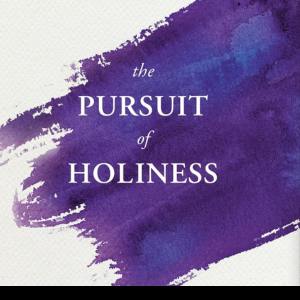
The Pursuit of Holiness by Jerry Bridges addresses a question many Christians quietly wrestle with: what does living a holy life actually look like in an imperfect world? Rather than offering quick spiritual formulas, Bridges examines how divine grace and personal responsibility meet in everyday discipleship.
In this comprehensive book summary and review, we explore the core biblical teachings of Bridges’ classic work, unpack key lessons for daily Christian living, and evaluate its strengths and challenges. Whether you are encountering the book for the first time or revisiting its convictions, this guide offers actionable insights for your spiritual walk.
Detail | Information |
Book Title | The Pursuit of Holiness |
Author | Jerry Bridges |
Original Publication | 1978 |
Original Publisher | NavPress |
Genre | Christian Living / Spiritual Growth |
Core Theme | Cultivating personal holiness through the synergy of God’s grace and intentional obedience |
Table of Contents
ToggleWhat Is The Pursuit of Holiness About?
At its core, The Pursuit of Holiness addresses a pervasive misconception among believers: that holiness is either an unattainable ideal or an entirely passive experience. Bridges contends that many Christians pray fervently for victory over sin while failing to take active, responsible steps to obey God’s Word.
Through careful exposition of Scripture, Bridges demonstrates that spiritual maturity requires active participation. Christians are not meant to wait passively for miraculous transformation. Instead, they are called to vigorously pursue righteousness, mortify sinful habits, and train their minds toward godliness, all while standing secure in the unmerited grace of Christ.
Book Overview: Author, Publication and Main Message
Jerry Bridges was a respected author, speaker, and longtime staff member with The Navigators, an international Christian ministry dedicated to discipleship. Published by NavPress in 1978, The Pursuit of Holiness quickly became a modern classic, selling over a million copies worldwide.
The book’s central thesis balances two biblical truths: salvation and sanctification rest upon God’s sovereign grace, yet believers bear real, daily responsibility for their conduct. Bridges dismantles the common spiritual trap of passivity, equipping readers to understand that genuine freedom from sin requires intentional, Scripture-grounded discipline.
What Does Holiness Mean in Christianity?
In modern conversation, the word “holy” often carries connotations of moral superiority or joyless legalism. In Christian theology, however, holiness begins with the absolute purity, majesty, and moral perfection of God. He is completely set apart from evil, separate from fallen creation, and righteous in all His ways.
For the believer, holiness does not mean flawless perfection or superficial rule-keeping. It means being set apart for God’s purposes and progressively conforming to the character of Jesus Christ. As Bridges emphasizes, holiness is not an optional extra for spiritually elite Christians—it is the natural, expected fruit of genuine faith.
Summary of the Main Teachings
God’s Grace and Our Responsibility
Bridges clarifies the vital distinction between justification and sanctification. While justification is an instantaneous act of God’s grace received through faith alone, sanctification requires active, daily engagement. Believers cannot blame their spiritual apathy on a lack of divine help; God gives the power, but individuals must choose obedience.
Holiness in Thoughts, Words and Actions
Holiness begins within the unseen internal life. Bridges points out that outward sins rarely appear without warning; they germinate first in harbored thoughts, unchecked attitudes, and subtle compromises. True biblical holiness demands guarding the mind, speaking with integrity, and ensuring that outward actions match genuine heart convictions.
Habits, Discipline and Obedience
Sinful tendencies often become entrenched through repeated behavior until they form default habits. Overcoming these patterns is not a matter of fleeting emotional willpower, but of structured spiritual discipline. Bridges encourages believers to actively dismantle unhealthy routines by cultivating godly counter-habits grounded in daily obedience to Scripture.
Dependence on God in the Pursuit of Holiness
Personal effort must never be confused with self-reliance. Bridges warns against the danger of moralism—the false belief that human grit alone can produce godliness. The Holy Spirit provides the desire and the strength to obey; without constant prayer and total reliance on Christ, pursuit of holiness quickly collapses into pride or burnout.
Related Articles



Key Lessons from The Pursuit of Holiness
- Sin is never trivial: Bridges challenges readers to stop categorizing certain sins as “acceptable” while judging others harshly. Unchecked impatience, gossip, or envy grieve God just as deeply as obvious external sins.
- We are responsible for our choices: Believers cannot abdicate moral responsibility by claiming “the devil made me do it” or waiting for an emotional sign. We choose whether to indulge or resist temptation.
- Scripture intake is essential: Victory over sin is impossible without soaking the mind in God’s Word. Scripture memorization and study provide the practical defense needed when temptation strikes.
- Grace covers the journey: When believers stumble, the gospel remains the only ground of peace. God’s love is not conditioned on our flawless performance, but on the finished work of Jesus.
How to Apply the Book’s Teachings in Daily Life
Reflect on Blind Spots and Habits
Take time to candidly inventory recurring attitudes or habits that contradict your Christian convictions. Rather than rationalizing a sharp tongue, habitual worry, or digital distractions, name them honestly before God and identify the triggers that prompt them.
Connect Belief with Concrete Action
Move beyond abstract theology by connecting biblical principles to immediate decisions. If Scripture commands forgiveness, make the phone call to reconcile. If it commands stewardship, adjust your monthly spending. Faith proves genuine when it dictates practical responses in relationships, work, and private moments.
Cultivate Sustainable Spiritual Disciplines
Integrate unhurried Bible reading, reflective prayer, and authentic community into your weekly routine. Approach these practices not as rigid checkboxes to earn divine favor, but as lifelines that feed your soul and reorient your mind toward what is pure and true.
Balance Reliance with Personal Agency
Each morning, acknowledge your complete dependence on the Holy Spirit for spiritual vitality. Pair that prayer with proactive resolve: choose to walk away from compromising situations, silence negative speech, and purposefully serve those around you throughout the day.
Book Review: Strengths and Limitations
Strengths
- Biblical Depth: Bridges writes with profound scriptural grounding, avoiding trendy psychological jargon in favor of clear, enduring biblical truth.
- Practical Clarity: The book avoids vague spiritual mysticism, consistently explaining the practical “how” behind moral transformation.
- Warm Pastoral Tone: Bridges writes as a fellow traveler wrestling with sin, rather than an elevated expert lecturing from above.
Limitations
- Direct and Uncompromising: Readers accustomed to light inspirational literature may find Bridges’ direct focus on personal sin and conviction challenging.
- Traditional Language: Written in the late 1970s, the examples and prose style reflect a classic evangelical tone that some modern readers may find conservative in cadence.
Who Should Read This Book?
- Believers feeling spiritually stagnant: If you feel trapped in repetitive cycles of confession and compromise, this book offers a clear path forward.
- New Christians building foundations: It serves as an essential primer on how sanctification works, preventing young believers from adopting passive or legalistic habits.
- Small groups and mentoring partners: The chapters are concise and naturally provoke deep, transparent discussions about personal character and spiritual disciplines.
Is The Pursuit of Holiness Worth Reading?
Decades after its initial release, The Pursuit of Holiness remains an indispensable classic in contemporary Christian literature. In a cultural climate that often swings between rigid moralism and casual apathy, Bridges provides a steady, clarifying voice.
By reminding believers that God has already provided everything necessary for life and godliness, Bridges removes excuses while fueling genuine hope. It is a sobering yet deeply encouraging book that continues to transform how disciples understand grace, obedience, and life with God.
FAQs
Q1: What is the main message of Jerry Bridges’ The Pursuit of Holiness?
A: At its heart, the book reveals that holiness isn’t optional or out of reach—it is God’s direct call for every believer. Jerry Bridges explains that while salvation is a free gift of grace, living a holy life requires our active participation and daily obedience, powered entirely by the Holy Spirit.
Q2: Is pursuing biblical holiness just another form of legalism?
A: Not at all. Bridges makes a clear distinction between legalistic rule-keeping and true biblical holiness. Legalism relies on self-righteousness and external pressure, whereas genuine holiness flows from love, gratitude, and reverence for God. It is about internal heart transformation that changes how you think, speak, and act each day.
Q3: What is the balance between God’s grace and personal discipline in spiritual growth?
A: You can’t achieve holiness through willpower alone, nor can you passively wait for God to change you. Bridges shows that sanctification is a partnership: God supplies the enabling grace and the Holy Spirit’s power, while you take active responsibility through spiritual disciplines, prayer, Scripture memory, and resisting temptation.
Q4: How can believers practically live a “set apart” life in a modern world?
A: Living set apart doesn’t mean isolating yourself from society; it means engaging culture without conforming to its values. You practice holiness in real-time moments—making ethical choices at work, guarding your thought life, speaking with integrity, and leaning into a supportive Christian community where believers sharpen and encourage one another.
Q5: Who should read The Pursuit of Holiness?
A: This classic guide is perfect for anyone hungry for deeper spiritual growth. Whether you are a new Christian looking for practical discipleship foundations, a seasoned believer stuck in spiritual complacency, or a ministry leader seeking theological clarity on grace and obedience, this book provides timeless, actionable wisdom for your walk.