
Table of Contents
ToggleJesus In the Manger: 25 Inspirational Selections for Advent by Max Lucado
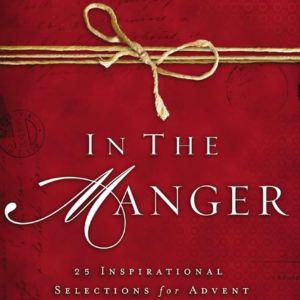
The season of Advent is often lost in a blur of tangled fairy lights, frantic gift-shopping, and the pressure of year-end deadlines. We talk about “the reason for the season,” but how often do we actually sit quietly by the manger to contemplate the miracle?
Max Lucado, one of the most beloved Christian authors of our time, offers a remedy for the holiday hustle in his soul-stirring book, “Jesus In the Manger: 25 Inspirational Selections for Advent.” This collection isn’t just a retelling of a 2,000-year-old story; it is an invitation to witness the moment God became flesh and moved into the neighborhood.
In this comprehensive review and summary, we will walk through each of the 25 selections, exploring the profound theological truths and heartwarming insights Lucado provides as he guides us toward the birth of Christ.
The Heart of the Advent Journey
Max Lucado’s writing is characterized by what many call “the common touch.” He takes the high, lofty concepts of divinity and brings them down to earth—exactly what God did on that first Christmas. Jesus In the Manger is designed to be read one chapter a day throughout December, leading up to Christmas Day.
The Author of Life
Lucado begins by establishing who the baby in the manger truly is. He isn’t just a character in a story; He is the Author of Life. Lucado reminds us that the hands that once sculpted the stars and carved the canyons were now the tiny, wrinkled hands of a newborn. This chapter sets the stage: the Creator has entered His own creation.
Why Would He Come?
The central question of the Gospel: Why? Why would a King leave a throne of gold for a floor of straw? Lucado explores the motive of love. He argues that God didn’t come because we were perfect, but because we were lost. He came to bridge the gap that we couldn’t cross.
Just Call Him “Jesus”
Names carry weight. In this selection, Lucado dives into the significance of the name “Jesus.” It wasn’t a name reserved for royalty; it was a common name of the time. By choosing a common name, God signaled that He came for the common person. He is accessible.
God Came Near
This is perhaps the core theme of Lucado’s Christmas theology. “The word became flesh and dwelt among us.” Lucado paints a vivid picture of the “Immanuel” concept—God with us. Not God watching from a distance, but God feeling the dust of the road and the cold of the night.
With God Nothing is Impossible
Focusing on the angelic announcement to Mary, Lucado explores the theme of impossibility. From a virgin birth to the salvation of humanity, the Christmas story is built on the foundation of God’s limitlessness. It encourages readers that their “impossible” situations are small in the hands of the Almighty.
Who Would Believe It?
Lucado reflects on the sheer audacity of the Nativity. If you were God, would you have done it this way? Probably not. You’d want a palace and a parade. This chapter looks at the humility of the plan and the faith required by those like Mary and Joseph to believe the unbelievable.
Christ in You
Moving from the historical manger to the spiritual one, Lucado discusses the “mystery” Paul wrote about: Christ in you, the hope of glory. Advent isn’t just about a baby born in Bethlehem; it’s about Christ being birthed in the hearts of believers today.
Conceived by the Holy Spirit
This selection tackles the miracle of the Virgin Birth. Lucado emphasizes that Jesus had to be both fully God and fully man. If He were only man, He couldn’t save us. If He were only God, He couldn’t relate to us. The Holy Spirit’s intervention made the perfect Mediator possible.
Pacing Outside the Stable
Lucado shifts the perspective to Joseph. Imagine the anxiety, the pressure, and the wonder of a man tasked with protecting the Mother of God. This chapter humanizes the Christmas story, showing us the grit and grace behind the glory.
Searching the Night for a Light
We all live in “night” sometimes—seasons of grief, doubt, or loneliness. Lucado compares our search for meaning to the wise men and shepherds searching for the star. He reminds us that the Light of the World shines brightest in the darkest hours.
God Dances Amid the Common
One of Lucado’s most beautiful insights is how God chooses the ordinary. He didn’t reveal the birth to Caesar, but to shepherds. Lucado suggests that God still “dances” in our mundane routines—at the grocery store, in the office, and around the kitchen table.
Linger Near the Manger
The author encourages us not to rush past the scene. In our “instant” culture, we want the holiday without the holiness. Lucado invites us to “linger”—to stay a while, look at the straw, hear the animals, and let the reality of the Incarnation sink in.
The Face of the Infant – God
What did God look like? For a moment in time, He had a face that needed washing and eyes that needed sleep. Lucado contemplates the vulnerability of God. To love us, He became touchable.
Mary’s Prayer
Lucado imagines the internal dialogue of the young mother. Her prayer is one of surrender and “yes.” It serves as a model for our own lives: May it be to me as you have said.
Joseph’s Prayer
Similarly, Joseph’s prayer is one of quiet obedience. He wasn’t the biological father, but he was the chosen guardian. Lucado highlights the importance of the “supporting cast” in God’s grand narrative.
Too Busy to Notice the Impossible
This is a convicting chapter about the Innkeeper and the people of Bethlehem. They were so busy with the census and the crowds that they missed the arrival of the Messiah in their own backyard. Lucado warns us not to let our “busy-ness” blind us to the “impossible” work God is doing now.
How Long His Love Lasts
How long will God love you? Lucado uses the Christmas story to prove that God’s love is “everlasting.” He didn’t come for a season; He came for eternity. The manger was just the beginning of a love story that has no end.
Seeing Jesus
This selection focuses on spiritual vision. Do we see a historical figure, a moral teacher, or the Savior of the world? Lucado challenges us to see Jesus for who He truly is: the King who stepped down.
Too Majestic for Words
There is a limit to human language when describing the Divine. Lucado leans into the “wonder” of the season. Sometimes, the best response to Christmas isn’t a sermon or a song, but a breathless “Wow.”
What Love Does
Love is a verb. Lucado illustrates how the Incarnation is the ultimate action of love. It’s not just a feeling God had for us; it’s the distance He traveled to get to us.
Be Numbered Among the Searchers
Are you seeking Him? Lucado encourages readers to be like the Magi—to be willing to travel, to be willing to look up, and to be willing to give our best to the King.
Bloodstained Royalty
In a poignant turn, Lucado reminds us that the shadow of the Cross falls over the manger. The wood of the cradle would one day be the wood of the Calvary. He came to die so that we might live. This “bloodstained royalty” is the cost of our peace.
A Sacred Delight
Christmas should be a joy! Lucado discusses the “sacred delight” of knowing we are forgiven and chosen. He encourages a celebration that is deep and meaningful, rooted in the gospel.
Come and Behold Him
The penultimate selection is a call to worship. To “behold” is more than just to look; it is to study, to honor, and to adore. Lucado invites us to take our place alongside the shepherds and kings.
A Glimpse of His Majesty
On Christmas Day, Lucado concludes with a vision of Christ’s majesty. The baby is now the risen Lord. The story doesn’t end in Bethlehem; it continues in us and will culminate in His return.
What is the Central Message?
Max Lucado’s In the Manger seeks to convey one primary, life-altering message: God is with you.
Through these 25 selections, Lucado dismantles the idea of a distant, disapproving deity. Instead, he presents a God who is so moved by love for His creation that He was willing to endure the limitations of a human body, the stench of a stable, and the rejection of His people just to be near us.
The book emphasizes Accessibility. Lucado wants the reader to know that if God was comfortable in a barn, He is comfortable in our messy lives. You don’t have to clean up your “stable” before inviting Him in; He comes into the mess to bring the light.
“He was the only one who ever chose to be born… and He chose to be born for you.” — Max Lucado
Why You Should Read This Book
If you find yourself feeling cynical about the holidays or simply exhausted by the commercialism, In the Manger acts as a spiritual reset button.
- Scannable and Short: Each chapter is only a few pages long, making it perfect for a morning coffee ritual or a family reading before bed.
- Deeply Relatable: Lucado uses humor and vivid imagery to make 1st-century Judea feel like 21st-century reality.
- Theologically Grounded: While easy to read, it doesn’t shy away from the heavy lifting of the Gospel—sin, redemption, and the dual nature of Christ.
Conclusion: Finding Your Way to the Manger
Max Lucado’s In the Manger is more than a book; it’s a journey. By the time you reach the 25th selection, the goal is not just to have “finished a book,” but to have encountered a Person.
The author wants us to realize that the “Author of Life” didn’t just write a story—He entered it. And because He entered it, your story can have a different ending. This Advent, don’t just decorate your house; decorate your heart with the truths of the Incarnation.
FAQs
Q1. Is this book suitable for daily Advent reading?
Yes, each chapter is designed for one day of Advent reflection.
Q2. Do I need theological knowledge to read this book?
Not at all. It’s written in simple, relatable language.
Q3. Can this book be read outside the Christmas season?
Yes, its messages are timeless and relevant year-round.
Q4. Is this book appropriate for new believers?
Absolutely. It’s welcoming, gentle, and easy to understand.
Q5. What is the biggest takeaway from the book?
God’s love is near, personal, and found in the most unexpected places.