
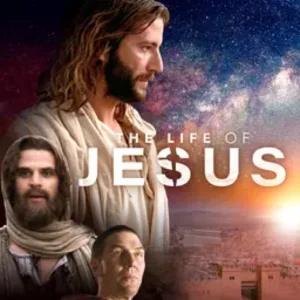
Religious films often try to bring sacred stories to life, but very few manage to do it with authenticity and emotional depth. “The Life of Jesus,” directed by Philip Saville, stands out as a remarkable cinematic retelling of one of the most influential stories in human history. The movie is actually the 2003 film “The Gospel of John,” a biblical drama that presents the life and teachings of Jesus Christ directly from the Gospel of John in the Bible.
Unlike many other religious films that mix stories from different biblical sources, this movie follows the Gospel of John almost word-for-word, staying remarkably faithful to the text. The story unfolds through narration and dramatization, allowing viewers to experience Jesus’ life through the perspective of the Apostle John.
What makes this film unique is its dedication to accuracy and storytelling. Rather than turning the Bible into a dramatic spectacle, the director chose to present it as a faithful narrative with historical atmosphere and emotional realism. This approach gives the audience the feeling that they are witnessing history rather than watching a fictional adaptation.
The movie stars Henry Ian Cusick as Jesus, with narration by Christopher Plummer, whose voice guides viewers through the story. With a runtime of around three hours, the film covers the ministry, miracles, crucifixion, and resurrection of Jesus Christ in detail.
This blog explores the movie’s storyline, important scenes, cinematic qualities, and the deeper message that director Philip Saville aimed to communicate through this powerful biblical film.
Background and Production of the Film
“The Life of Jesus,” or The Gospel of John (2003), was produced by Visual Bible International and directed by British filmmaker Philip Saville. The movie had a budget of around $10–11 million and was shot in locations such as Toronto and Spain to recreate the historical setting of ancient Judea.
The film is known for its scholarly approach. The creators consulted biblical scholars and historians to ensure authenticity in costumes, architecture, and cultural details. Rather than inventing dialogue or dramatizing events unnecessarily, the screenplay closely follows the Good News Bible translation.
This commitment to accuracy gives the movie a unique character. Instead of feeling like a typical Hollywood production, it resembles a visual interpretation of scripture. For viewers interested in theology or biblical storytelling, this makes the film both educational and spiritual.
The cast also includes actors from respected theater institutions such as the Royal Shakespeare Company and Stratford Shakespeare Festival, which contributes to the film’s powerful performances and dramatic authenticity.
Why This Movie Still Matters Today
Even though the film was released more than two decades ago, its message and storytelling remain relevant today. The story of Jesus is not only a religious narrative but also a cultural and philosophical foundation for billions of people around the world.
The film explores timeless themes such as:
- Faith
- Compassion
- Forgiveness
- Sacrifice
- Truth and belief
In a modern world filled with conflict, division, and uncertainty, these themes resonate strongly with audiences. Watching the life of Jesus portrayed with sincerity reminds viewers of values that transcend time and culture.
Another reason the movie remains significant is its faithfulness to biblical text. Many films about Jesus interpret events creatively, but this one aims to present the story almost exactly as written in the Gospel of John. For believers and scholars alike, this makes the film a valuable visual representation of scripture.
If you want to dive deeper into scripture, explore these inspirational Bible verses for daily strength and encouragement.
Overview of the Film’s Storyline
At its core, The Life of Jesus tells the story of Jesus Christ from the perspective of his disciple John. The narrative focuses on Jesus’ teachings, miracles, relationships with followers, and his ultimate sacrifice on the cross.
The Gospel of John emphasizes Jesus’ identity as the Son of God and his mission to bring salvation to humanity. The story shows how Jesus travels through Judea and Galilee, teaching people about God’s love and performing miracles that demonstrate divine power.
Throughout the movie, we see the growing tension between Jesus and the religious authorities of the time. His teachings challenge established traditions and expose hypocrisy among leaders, which eventually leads to his arrest and crucifixion.
The film also highlights the devotion of Jesus’ disciples, who follow him despite fear and persecution. Their faith plays an important role in spreading his message even after his death.
Key Characters in the Movie
Several important characters shape the story and bring emotional depth to the narrative:
Jesus Christ (Henry Ian Cusick)
The central figure of the story, Jesus is portrayed as a compassionate teacher and spiritual leader. Cusick’s performance shows both the humanity and authority of Jesus, presenting him as someone who connects deeply with ordinary people.
John the Apostle
John acts as the narrator and witness to the events of Jesus’ life. Through his perspective, viewers experience the teachings and miracles of Christ.
Simon Peter
One of Jesus’ closest disciples, Peter is passionate but sometimes impulsive. His journey reflects the struggle between faith and fear.
Judas Iscariot
Judas is the disciple who ultimately betrays Jesus, setting in motion the events that lead to the crucifixion.
Pontius Pilate and the Pharisees
These figures represent the political and religious powers that oppose Jesus’ teachings.
Together, these characters create a dramatic narrative that explores both spiritual faith and human conflict.
Short Summary of The Life of Jesus
The story begins with the introduction of Jesus as the Word of God who came to earth to reveal divine truth. From the very beginning, the film establishes the spiritual significance of Jesus’ mission.
The Beginning of Jesus’ Ministry
Jesus begins his ministry by gathering disciples who believe in his teachings. These followers witness extraordinary events and gradually understand that Jesus is not just a teacher but the Messiah.
The film portrays the early stages of Jesus’ journey as a time of discovery and growing faith. People from different backgrounds are drawn to his message of love and salvation.
Miracles and Teachings
As Jesus travels through towns and villages, he performs miracles that inspire awe and strengthen belief. These miracles include healing the sick, restoring sight to the blind, and even raising the dead.
Each miracle serves as a sign that supports his message about God’s power and mercy.
Conflict With Religious Leaders
However, not everyone accepts Jesus’ teachings. Religious authorities view him as a threat to their power and influence. Tension escalates as Jesus continues to challenge hypocrisy and injustice.
This conflict eventually leads to his arrest and trial.
Key Scenes That Define the Film
The Miracle at Cana
One of the first miracles shown in the film occurs at a wedding in Cana. When the hosts run out of wine, Jesus transforms water into wine, demonstrating his divine power.
This moment marks the beginning of public recognition of Jesus’ miraculous abilities.
Jesus and the Samaritan Woman
Another powerful scene shows Jesus speaking with a Samaritan woman at a well. During this conversation, he reveals deep spiritual truths about living water and eternal life.
The scene emphasizes the inclusiveness of Jesus’ message, showing that his teachings are meant for all people.
Raising Lazarus From the Dead
One of the most dramatic moments in the film occurs when Jesus raises Lazarus from the dead. This miracle convinces many people of his divine authority but also intensifies opposition from religious leaders.
The Last Supper and Betrayal
The Last Supper scene captures the emotional tension among the disciples. Jesus predicts that one of them will betray him, creating an atmosphere of sorrow and uncertainty.
Shortly after this event, Judas betrays Jesus to the authorities.
The Crucifixion of Jesus
The crucifixion is the most emotional moment in the film. Jesus is arrested, mocked, and eventually nailed to a cross.
This scene highlights the suffering and sacrifice that form the central theme of Christianity.
The Resurrection Scene
The story does not end with the crucifixion. The resurrection scene shows Jesus rising from the dead, symbolizing victory over death and the fulfillment of God’s promise.
For believers, this moment represents the foundation of Christian faith.
Cinematic Elements and Performances
Henry Ian Cusick’s Portrayal of Jesus
Henry Ian Cusick delivers a thoughtful and convincing performance as Jesus. His portrayal balances warmth, authority, and compassion.
Critics have noted that his character feels approachable yet powerful, capturing the essence of a spiritual teacher who connects with ordinary people.
Cinematography, Music, and Atmosphere
The film’s cinematography recreates the ancient world with impressive detail. Desert landscapes, historical architecture, and traditional costumes help immerse viewers in the biblical era.
The musical score by Jeff Danna enhances the emotional intensity of key scenes, particularly during moments of prayer, miracles, and crucifixion.
The Message Philip Saville Wanted to Convey
Faith and Belief
One of the central messages of the film is the importance of faith. The Gospel of John emphasizes belief in Jesus as the path to eternal life.
Through the actions and reactions of various characters, the film shows how faith can transform lives. Learning to trust the process and find hope in pain can help align your daily life with these teachings.
Love, Compassion, and Sacrifice
Another key message is unconditional love. Jesus repeatedly teaches forgiveness, compassion, and humility.
The ultimate example of this love is his willingness to sacrifice himself for humanity.
The director’s approach suggests that these values are not only religious teachings but universal principles that can guide human life.
Final Thoughts on the Film
“The Life of Jesus” directed by Philip Saville is more than just a movie—it is a visual retelling of one of the most influential spiritual stories ever told.
By staying faithful to the Gospel of John, the film offers viewers a deeper understanding of Jesus’ teachings and mission. The performances, cinematography, and narrative style create an immersive experience that feels both historical and spiritual.
For viewers interested in religious cinema or biblical history, this film provides a thoughtful and meaningful interpretation of the life of Christ. For more reflections on faith, you might enjoy this Come to Jesus book summary.
Conclusion
“The Life of Jesus” is a powerful cinematic portrayal of faith, sacrifice, and divine love. By following the Gospel of John closely, Philip Saville’s film presents the story of Jesus with authenticity and reverence.
The movie reminds audiences that the message of Jesus—love, compassion, and forgiveness—remains relevant even in the modern world. Through memorable scenes and heartfelt performances, the film encourages viewers to reflect on spiritual values and the meaning of belief.
Watching this movie is not just about understanding history; it is about exploring a message that has shaped civilizations and continues to inspire millions.
Related Articles


FAQs
1. Is “The Life of Jesus” accurate to the biblical text?
Yes, it is remarkably accurate. Unlike typical Hollywood dramatizations, The Life of Jesus (2003) follows the Gospel of John almost word-for-word using the Good News Bible translation. The production team consulted leading biblical scholars and historians to ensure historical authenticity in costumes, locations, and dialogue, presenting a genuine visual interpretation of sacred scripture.
2. Who portrays Jesus Christ in the film, and who provides the narration?
Henry Ian Cusick plays Jesus Christ, delivering a balanced and compassionate performance that captures both divine authority and relatable warmth. Acclaimed actor Christopher Plummer provides the voice narration, guiding the audience through the perspective of John the Apostle to bring the miracles, teachings, and crucifixion of Christ to life.
3. What key miracles are featured in this biblical drama?
The film depicts several defining miracles from the Gospel of John. Key scenes include Jesus turning water into wine at the wedding in Cana, his theological dialogue with the Samaritan woman at the well, and the dramatic raising of Lazarus from the dead, which ultimately leads to rising tensions with local religious authorities.
4. What central message was director Philip Saville trying to convey?
Director Philip Saville aimed to communicate timeless spiritual values, focusing on unconditional love, divine compassion, faith, and ultimate sacrifice. By closely presenting Jesus’ journey from his early ministry to his resurrection, the movie reminds viewers that forgiveness and faith are universal principles capable of guiding everyday life across eras.
5. Where can I stream or watch “The Life of Jesus: The Gospel of John”?
You can stream The Life of Jesus (The Gospel of John) on major digital platforms such as Amazon Prime Video. Full-length versions are also commonly available on YouTube and Christian media archives, allowing viewers to easily experience this three-hour biblical adaptation at home.