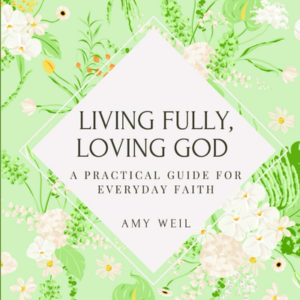
Living a life that feels both spiritually grounded and authentically human can often feel like a tightrope walk. We want to be "good" believers, but we also live in a world of deadlines, distractions, and personal failures. In her transformative book, "Living Fully, Loving God: A Practical Guide for Everyday Faith," Amy J. Weil tackles this tension head-on.
This isn’t just a theological treatise; it’s a manual for the "messy middle." Weil understands that faith isn't lived in a vacuum or solely within church walls—it’s lived in the grocery store, in the heat of an argument, and in the quiet moments of self-doubt.
The Heart of the Message: What is Amy J. Weil Conveying?
Before diving into the sessions, it is essential to understand the "why" behind this book. Weil’s primary message is one of integration. She argues that faith should not be a compartment of your life, but the lens through which you experience all of it.The author wants to dismantle the idea that you have to be "perfect" to be close to God. Instead, she invites readers into a relationship built on honesty, resilience, and joy. The core message is that loving God doesn’t mean leaving the world behind; it means bringing God’s presence into every mundane and magnificent moment of your journey.
A Detailed Breakdown of the 12 Sessions
The book is structured into 12 distinct sessions, designed to take the reader from foundational questions to outward action. Here is an in-depth look at each step of the journey.
Session 1: Who is God to You?
Weil begins by challenging our preconceived notions. Many of us carry "baggage" regarding God’s character—viewing Him as a distant judge or a cosmic vending machine. This session asks you to strip away the Sunday school clichés and identify who God actually is in your daily life. Is He a safe harbor? A silent observer? Weil encourages a shift toward seeing God as an active, loving participant in your present reality.
Session 2: Acknowledging the Struggle
Faith isn't easy, and Weil doesn’t pretend it is. This session focuses on the "uncomfortable" parts of belief: doubt, exhaustion, and the feeling of spiritual dryness. By naming our struggles, we take away their power to isolate us. Weil posits that acknowledging the struggle is actually the first step toward true intimacy with the Creator.
Related Articles

Session 3: Experiencing Grace and Forgiveness
If Session 2 identifies the wound, Session 4 applies the salve. Weil dives deep into the mechanics of grace. She explains that forgiveness isn't just a one-time event (salvation) but a daily necessity. This session helps readers move past the guilt of past mistakes and embrace a God who is more interested in our future than our failures.
Session 4: Building a Relationship with God
How do you move from "knowing about" God to "knowing" Him? Weil treats this like any other relationship. It requires time, communication (prayer), and listening. She offers practical advice on moving away from rote prayers and toward "conversational intimacy," where you talk to God as you would a trusted friend.
Session 5: Balancing Faith and Fun
This is perhaps one of the most unique sections of the book. Weil debunks the myth that holiness requires humorlessness. She argues that joy is a spiritual fruit and that God delights in our laughter. This session explores how to enjoy life, hobbies, and leisure as forms of worship, ensuring that our faith feels like a "light yoke" rather than a heavy burden.
Session 6: Developing Daily Habits for Growth
Spiritual maturity doesn't happen by accident. Weil introduces the concept of "rhythms of grace"—small, sustainable daily habits. Whether it’s five minutes of morning silence, Scripture reading, or practicing gratitude, these habits create the "infrastructure" for a thriving faith.
Session 7: Identifying Your Triggers
To live fully, we must understand what pulls us away from peace. Weil looks at the psychological and spiritual "triggers" that lead us toward anger, anxiety, or self-reliance. By identifying these patterns, we can learn to pause and invite God into those specific moments of tension before they spiral.
Session 8: Overcoming Temptation
Weil approaches temptation not with a wagging finger, but with a strategy. She discusses the common pitfalls of the modern age—comparison, greed, and the "hustle culture." This session provides a practical toolkit for setting boundaries and relying on the Holy Spirit's strength rather than mere willpower.
Session 9: Finding Community and Support
We were never meant to do this alone. Weil emphasizes the "horizontal" side of faith—our relationships with others. She discusses the importance of finding a "tribe" of believers who can offer accountability, encouragement, and a safe place to land when things get tough.
Session 10: Embracing Imperfection
This session is a deep dive into "Godly vulnerability." Weil argues that our cracks are where the light gets in. By embracing our imperfections, we stop performing and start being. This shift allows us to be more compassionate toward ourselves and others, reflecting a more accurate image of God’s unconditional love.
Session 11: Reflecting God’s Love in Daily Actions
Faith must eventually move from the heart to the hands. Weil challenges readers to look at their spheres of influence—work, family, and neighborhood—and ask, "How can I be the hands and feet of Jesus here?" It’s about small acts of kindness and intentionality that reflect God's character to a watching world.
Session 12: Celebrating the Journey
The final session is a call to reflection. Weil encourages readers to look back at how far they’ve come. Faith is a marathon, not a sprint, and it is vital to celebrate the milestones. This session focuses on cultivating a heart of "perpetual praise" and looking forward to the future with hope.
Suggested Reading Plans and Devotionals
To complement the book, Weil suggests several "tracks" for deeper study:
- The 30-Day Immersion: Read one chapter every 2-3 days, focusing on the specific habit introduced in that session.
- The Community Circle: A 12-week plan designed for small groups, with one session per week and shared discussion.
- The Scripture Deep-Dive: Weil provides a curated list of Psalms and New Testament epistles that mirror the themes of grace, struggle, and community found in the book.
Bonus: Journaling Prompts for Daily Reflection
To help internalize the book's message, here are ten journaling prompts inspired by Amy J. Weil’s teachings:
- Prompt 1: If I were to describe my current relationship with God as a weather pattern, what would it be and why?
- Prompt 2: What is one "struggle" I have been afraid to admit to God? Write it out as a letter to Him.
- Prompt 3: Where did I see "grace in the wild" today—a moment where I didn't get what I deserved, or received a kindness I didn't earn?
- Prompt 4: List three things that made me laugh today. How did God feel in those moments?
- Prompt 5: What is my primary "spiritual trigger"? When am I most likely to forget God’s presence?
- Prompt 6: Who are the two people in my life I can call when I am struggling spiritually? Am I being honest with them?
- Prompt 7: In what area of my life am I trying to be "perfect" instead of "present"?
- Prompt 8: How can I serve someone in my immediate environment tomorrow without them knowing it was me?
- Prompt 9: What daily habit (even if just 2 minutes long) can I commit to for the next 7 days?
- Prompt 10: Looking back at the last year, what is one way my view of God has changed for the better?
Final Review: Why This Book Matters
"Living Fully, Loving God" is a breath of fresh air in a crowded market of Christian living books. Amy J. Weil avoids the fluff of "toxic positivity" and the rigidity of legalism. Instead, she offers a middle path that feels sustainable for the long haul.The practical nature of the sessions makes the book feel less like a lecture and more like a workshop for the soul. If you are feeling burnt out by religious performance or disconnected from your faith in the "daily grind," this guide is the compass you need to find your way back to a vibrant, everyday relationship with God.
Verdict: A must-read for anyone who wants their faith to be as real as their daily coffee. It is an invitation to stop trying to "achieve" God and start simply living with Him.
FAQs
1. What does it actually mean to live fully while loving God?
Living fully while loving God means integrating your spiritual faith into every aspect of your daily life. It isn’t just about Sunday services; it’s about finding divine purpose in your work, relationships, and even mundane chores. When you practice mindfulness and gratitude, you align your actions with your love for God, turning every moment into an act of worship and living a more vibrant, authentic life.
2. How can I practice loving God in my busy, everyday life?
You don’t need to retreat to a cave to practice loving God! Start by inviting God into your routine through simple prayers or gratitude exercises during your commute or while cooking. By viewing challenges as opportunities for growth and treating others with kindness, you make your daily tasks a reflection of your devotion. Consistency in small acts is key to nurturing a deep, practical connection.
3. Does loving God mean I have to give up living a fun, full life?
Not at all! Loving God actually enhances your ability to live fully. Instead of restricting your joy, faith provides a secure foundation to enjoy life’s blessings with more depth and appreciation. You’ll find that when you live in alignment with spiritual values, you experience a more meaningful kind of happiness that isn't dependent on external circumstances, allowing you to enjoy life's true pleasures more deeply.
4. Can mindfulness help me in my journey of loving God?
Absolutely. Mindfulness is a powerful tool to help you stay present, which is where you connect with God. By becoming more aware of your thoughts and surroundings, you can better recognize divine presence in the beauty of nature or the kindness of others. It helps quiet the mental noise, allowing you to hear God’s guidance and feel His love more clearly in your heart every day.
5. How do I start living a more spiritually aligned life?
Begin by setting small, achievable spiritual goals, such as starting your day with a short meditation or gratitude journal. Focus on intentionally bringing love and compassion into your interactions. As you start prioritizing your relationship with God, you will naturally find yourself making choices that feel more aligned and purposeful. Just take it one step at a time; the journey of faith is a marathon, not a sprint.