
Table of Contents
ToggleThe Kalki Trilogy Review: Epic Savior of Dharma (2026)
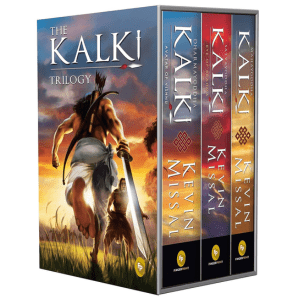
Indian mythology has long fascinated readers with its rich tapestry of gods, heroes, and epic tales. Kevin Missal’s “The Kalki Trilogy” is a modern literary endeavor that dives deep into this mythical ocean, bringing to life a saga that captivates and enthralls. Consisting of three books—”Avatar of Vishnu,” “Eye of Brahma,” and “Sword of Shiva“—this trilogy offers a compelling mix of adventure, mythology, and philosophical exploration. In this blog, we will delve into the intricate storyline, explore the key themes, and provide a comprehensive book review of this remarkable trilogy.
The Kalki Trilogy: Books-set Summary
The Kalki Trilogy is a meticulously crafted saga that revolves around the concept of Kalki, the tenth and final avatar of Lord Vishnu in Hindu mythology. Set in a world on the brink of destruction, the trilogy follows the hero’s journey of Kalki Hari, a seemingly ordinary boy with an extraordinary destiny.
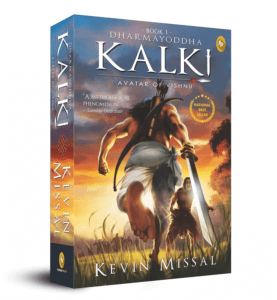
Book 1: Dharmayoddha Kalki: Avatar of Vishnu
“Avatar of Vishnu” sets the stage for the Kalki Trilogy. It introduces us to Kalki Hari, a seemingly ordinary village boy, who discovers his destiny as the tenth and final avatar of the Hindu god Vishnu. The story begins in the fictional village of Shambala, where Kalki’s life is turned upside down after a series of supernatural events. Kalki possesses extraordinary abilities—defeating enemies twice his size, rapid healing, and exceptional combat skills. His journey unfolds as he encounters Kripacharya, a guru who reveals the truth about Kalki’s powers and their connection to an ancient battle against evil—the Mahayudh. The novel takes us on a roller-coaster ride through mystical realms, prophecies, and cosmic battles.
Kalki’s journey is one of self-discovery, heroism, and confrontation with dark forces threatening to plunge the world into chaos.
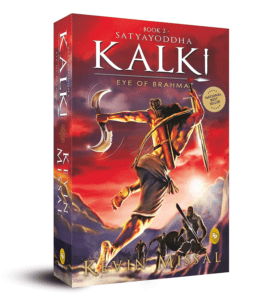
Book 2: Satyayoddha Kalki: Eye of Brahma
The second book continues Kalki’s saga. Now aware of his destiny as the savior of mankind, Kalki’s quest continues, focusing on his efforts to understand and harness his divine powers. He must unravel the mysteries surrounding the Eye of Brahma—a powerful artifact that holds the key to saving humanity. He travels across the ancient lands, seeking allies and confronting enemies, all while grappling with his evolving identity. With the help of his loyal companions and the enigmatic Parashuram, Kalki unravels ancient prophecies and uncovers the truth behind his existence. The narrative delves into Kalki’s inner struggles, his relationships, and the epic battles that shape his path. Mythology intertwines with modern sensibilities, making this retelling both relatable and awe-inspiring.
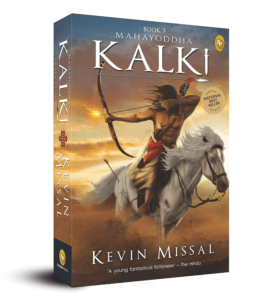
Book 3: Mahayoddha Kalki: Sword of Shiva
In “Sword of Shiva,” the trilogy reaches its thrilling climax. Kalki, now a seasoned warrior, prepares for the ultimate showdown against the forces of darkness. As the world teeters on the edge of destruction, Kalki’s courage, determination, and unwavering belief in the power of righteousness will be tested like never before. As Kalki harnesses the power of the Sword of Shiva, he confronts his greatest fears and challenges, leading to a poignant and powerful conclusion. The narrative is intense and fast-paced, with epic battles and dramatic confrontations. With the fate of humanity hanging in the balance, the final battle will determine the course of the universe itself.
Related Articles

Key Themes in the Trilogy
Let’s explore the key themes woven into “The Kalki Trilogy”:
Destiny and Prophecy:
The trilogy revolves around Kalki, the prophesied warrior. His destiny is intricately linked to cosmic prophecies, emphasizing the idea that our actions are part of a larger plan. Themes of fate, predestination, and the role of chosen individuals play a significant role. Kalki’s journey is a testament to the interplay of fate and choice, showing how destiny can be shaped by individual actions. As he grapples with his true identity and embraces his role as the chosen one, readers are invited to reflect on their own journey of self-realization and the choices that shape their lives.
Good vs. Evil:
The eternal battle between dharma (righteousness) and adharma (evil) is central. The central theme, explored through the battles and moral dilemmas faced by Kalki and his companions and the consequences of their choices. Kalki embodies the struggle to maintain balance and uphold virtue. Characters grapple with moral dilemmas, and the line between hero and villain blurs. It serves as a reminder that even in the face of overwhelming darkness, the light of righteousness can prevail.
Mythical Beings and Deities:
The trilogy introduces us to gods, demons, and celestial beings from Hindu mythology. Their interactions with mortals add depth to the narrative. We witness cosmic battles, divine interventions, and the clash of supernatural forces. The trilogy blends mythological elements with real-world issues, creating a rich tapestry that resonates with contemporary readers.
Inner Conflict and Self-Discovery:
Kalki faces inner turmoil—questions about his identity, purpose, and the weight of his responsibilities. His journey involves self-discovery, acceptance, and the realization that power comes with sacrifice.
Love and Relationships:
Amid epic battles, there are tender moments of love and friendship. Kalki’s relationships shape his choices. Love transcends time, even in a world of gods and demons.
Sacrifice and Redemption:
The trilogy delves into the themes of sacrifice and redemption, portraying the lengths to which individuals are willing to go to protect what they hold dear. As Kalki and his allies make personal sacrifices for the greater good, readers are reminded of the transformative power of selflessness and the potential for redemption even in the face of despair.
Cosmic Cycles and Ages:
The trilogy explores the concept of yugas (ages) in Hindu cosmology. Each age has its challenges and purpose. Kalki’s arrival marks the transition from Kali Yuga (the age of darkness) to Satya Yuga (the age of truth).
In summary, “The Kalki Trilogy” weaves together mythology, heroism, and timeless themes, inviting readers to ponder their own roles in the grand tapestry of existence.
Writing Style and Narrative Technique
Missal’s writing is vivid and descriptive, bringing the mythical world to life with rich details and dynamic action scenes. The language is evocative, with powerful imagery that enhances the mythical and epic nature of the story. The trilogy follows a classic heroic arc, with each book building on the previous one to create a cohesive and compelling saga.
Cultural and Mythological Significance
Missal draws heavily from Indian mythology, infusing the narrative with familiar deities, demons, legends, and symbols that add depth and authenticity. The trilogy reflects India’s rich cultural heritage, making it accessible and appealing to both Indian and global audiences. The rich tapestry of Indian culture, philosophy, and spirituality weaves throughout the narrative, making it a delightful read for mythology enthusiasts.
The Kalki Trilogy has contributed to the resurgence of mythological fiction in India, inspiring both readers and writers to explore this genre. The trilogy has been well-received by critics, praised for its imaginative storytelling and faithful adaptation of mythological themes. Readers have lauded the trilogy for its engaging plot, well-developed characters, and the seamless integration of mythology.
Adaptations and Media
Missal’s unique take on the Kalki avatar and his contemporary narrative style set the trilogy apart, offering a fresh perspective on traditional tales. The trilogy has inspired fan art, discussions, and online communities, highlighting its impact on popular culture. The trilogy’s rich visuals and epic scope make it ideal for adaptation into movies or television series, with significant potential for success.
Conclusion
The Kalki Trilogy by Kevin Missal is a monumental work that successfully blends mythology, adventure, and philosophical inquiry. It is more than a retelling; it’s an immersive experience. Kevin Missal’s prose transports readers to a world where gods walk among mortals, prophecies shape destinies, and courage defines heroes. With its richly developed characters, intricate plot, and deep cultural roots, it stands as a testament to the enduring power of Indian mythology. The transformation of Kalki not only captivates readers but also serves as a powerful commentary on the human capacity for growth, self-discovery, and embracing one’s true destiny.
Remember, these books are not just for mythology enthusiasts—they’re for anyone seeking adventure, mystery, and a touch of divinity.
FAQs
What is the Kalki Trilogy about?
The Kalki Trilogy by Kevin Missal is an action-packed Indian mythological fantasy series based on the prophesied tenth avatar of Lord Vishnu. It follows the journey of Kalki Hari from the humble village of Shambala as he discovers his divine destiny, battles dark forces led by Lord Kali, and fights to restore Dharma before the onset of the Kali Yuga.
Which books are included in the Kalki Trilogy in reading order?
The Kalki Trilogy consists of three interconnected books that should be read chronologically: 1. Dharmayoddha Kalki: Avatar of Vishnu, 2. Satyayoddha Kalki: Eye of Brahma, and 3. Mahayoddha Kalki: Sword of Shiva. Together, they complete Kalki’s epic transformation from a simple warrior into a legendary savior.
Is the Kalki Trilogy historically accurate according to the Kalki Purana?
No, the series is not a literal translation of the Kalki Purana. While author Kevin Missal draws heavy inspiration from Hindu mythology, the Puranas, and epic texts, he blends these elements with modern fantasy fiction, political intrigue, and cinematic world-building to create an entertaining, reimagined mythological universe for contemporary readers.
Who are the main characters in the Kalki Trilogy?
The central character is Kalki Hari, the destined avatar of Vishnu. Key supporting characters include his brother Arjan, his companion Lakshmi, his drunken mentor Kripacharya, and the immortal warrior-guru Parshuram. The primary antagonist is Lord Kali, who commands dark forces and seeks absolute dominion across the realm.
Why should fans of Indian mythology read this book series?
If you enjoy fast-paced mytho-fantasy books like the Shiva Trilogy or Ram Chandra Series, the Kalki Trilogy offers an exciting blend of celestial weapons, ancient prophecies, intense battle sequences, and moral conflicts. It brings Indian folklore to life with modern storytelling, making it a gripping read for fantasy lovers.