
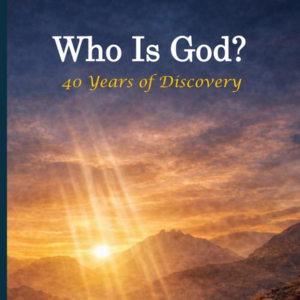
When you pick up Who Is God?: 40 Years of Discovery, you’re not just reading another religious book—you’re stepping into a four-decade-long personal investigation. Javan Matthews isn’t presenting a rigid doctrine; instead, he’s inviting you into a journey filled with questions, doubts, revelations, and reflections. According to available book descriptions, this work is the result of years of studying scripture, history, and human experience to understand God’s nature.
What makes Matthews stand out is his tone—it’s not preachy or authoritative in a forceful way. Instead, it feels like a conversation. Imagine sitting with someone who has spent decades wrestling with life’s biggest question: Who is God, really? That’s the vibe. He doesn’t claim to have all the answers, but he does something more valuable—he explores the question honestly.
The author draws heavily from biblical narratives, philosophical reasoning, and personal insight. His writing feels like a bridge between theology and real life. If you’ve ever questioned religion, struggled with faith, or simply been curious about spirituality, this book meets you exactly where you are.
Core Theme of the Book
At its heart, this book is about understanding the character of God beyond surface-level beliefs. It’s not just about defining God—it’s about experiencing, questioning, and discovering Him. Matthews repeatedly emphasizes that this isn’t a book of easy answers. Instead, it’s a deep exploration of God’s nature—His authority, love, judgment, and presence.
Think of it like peeling layers of an onion. Every chapter reveals a new dimension—sometimes comforting, sometimes challenging. The book challenges readers to move beyond inherited beliefs and actually engage with the idea of God.
Who is God: Book Summary
Who Is God? (Opening Question)
The book opens with a deceptively simple question: Who is God? But instead of answering it directly, Matthews lets it linger. Why? Because the question itself is powerful. It forces introspection.He points out that this question has been asked throughout history—from ancient rulers to prophets and everyday people. It’s universal. It doesn’t belong to one religion or culture. It belongs to humanity.The author suggests that most people think they know God, but their understanding is often shaped by tradition, upbringing, or fear rather than truth. This chapter acts as a wake-up call. It challenges you to admit: Do I actually know God, or do I just know what I’ve been told?
Knowing God: A Timeless Journey into the Heart of Divine Revelation
In the Beginning
This chapter dives into creation—not just as a story, but as a reflection of God’s nature. Matthews explores the idea that creation reveals God’s intentionality and intelligence.He doesn’t treat creation as just a past event. Instead, he frames it as an ongoing expression of God. The universe, nature, and even human consciousness become clues to understanding God.The key idea here is simple but profound: If you want to understand an artist, look at their art. Creation is God’s artwork. And through it, we get glimpses of His power, creativity, and purpose.
The Image of God
What does it mean to be made in the image of God? Matthews explores this concept deeply, moving beyond physical interpretations.He argues that being made in God’s image is about character, consciousness, and moral awareness. Humans reflect God not through appearance, but through their ability to think, create, love, and choose.This chapter pushes you to reconsider your own identity. If you truly carry the image of God, what does that mean for how you live, treat others, and see yourself?
The Name of God
Names carry power. Matthews emphasizes that understanding God’s name is about understanding His identity and essence.
Drawing from biblical context, he highlights meanings like “I AM”—a name that suggests eternity, self-existence, and unchanging nature.This chapter reveals that God isn’t just a distant being—He is present, constant, and self-sustaining.
The Glory and the Name Proclaimed
Here, Matthews explores the concept of God’s glory—not as something abstract, but as a visible expression of His character.Glory, in this context, isn’t just brightness or power. It’s about truth, justice, mercy, and faithfulness. When God reveals His glory, He’s revealing who He truly is.The takeaway? God’s glory isn’t meant to intimidate—it’s meant to reveal.
The Mind of God
This chapter dives into how God thinks—if that’s even possible to comprehend. Matthews suggests that while humans can’t fully grasp God’s mind, they can understand patterns in His thinking.
He describes God’s mind as consistent, purposeful, and aligned with truth. Unlike human thinking, which can be chaotic or emotional, God’s thinking is steady and intentional.It’s like comparing a storm to a calm ocean—both powerful, but one is controlled.
The Authority of God
Authority is often misunderstood. Matthews redefines it not as control, but as rightful leadership based on truth and creation.
God’s authority comes from being the source of all things. It’s not forced—it’s inherent.This chapter challenges human resistance to authority. Why do we resist God? Because we often misunderstand what His authority really means.
The Judgment of God
Judgment sounds scary, right? Matthews acknowledges that. But he reframes it.God’s judgment isn’t about punishment—it’s about justice and restoration. It’s about setting things right.Think of it like a judge in a courtroom. The goal isn’t to destroy—it’s to bring fairness.
The Love of God
This is one of the most emotionally powerful chapters. Matthews explores God’s love not as a feeling, but as a commitment to humanity.
He shows that God’s love is consistent, sacrificial, and unconditional. It’s not based on performance.This chapter feels like a deep breath—it balances the heaviness of judgment with the warmth of love.
The God We Avoid
Here’s where things get uncomfortable. Matthews argues that many people avoid God—not because He’s distant, but because He challenges them.
We avoid what exposes us. And God, in His truth, does exactly that.This chapter hits hard. It forces readers to confront their own avoidance.
The Holiness of God
Holiness is often misunderstood as perfection. Matthews redefines it as set-apartness.
God is holy because He is fundamentally different—pure, just, and unchanging.
This chapter emphasizes that holiness isn’t about rules—it’s about nature.
Christ Reveals God
This chapter is central. Matthews argues that Jesus Christ is the clearest revelation of God.
Through Christ, God becomes understandable. His actions, teachings, and sacrifices reveal God’s character in human form.
Knowing God
Knowing God isn’t about information—it’s about relationship.
Matthews emphasizes that knowledge of God comes through experience, reflection, and openness.
God’s Invitation
This chapter shifts tone. It becomes personal.God isn’t just to be studied—He invites connection. Matthews describes this as an open invitation to relationship.
Who Is God? (Revisited)
The book comes full circle. The question remains, but now it’s deeper.
Instead of a single answer, Matthews presents a multi-dimensional understanding of God—creator, judge, lover, authority, and presence.
Key Message of the Book
What the Author Wants to Convey
The central message is clear: God is not a concept to memorize, but a reality to discover.
Matthews wants readers to move beyond passive belief into active exploration. He encourages questioning, reflection, and personal engagement.
Philosophical & Spiritual Insights
The book suggests that understanding God is a lifelong journey, not a destination. It aligns with broader ideas that humanity’s concept of God evolves over time, influenced by culture and experience.
Critical Review
Strengths of the Book
Strength
Deep Exploration
Conversational Tone
Thought-Provoking
Explanation
Covers multiple dimensions of God
Easy to read and relatable
Encourages self-reflection
Limitations & Criticism
Limitation
Not Beginner-Friendly
Abstract Concepts
Explanation
Requires some prior understanding
Some ideas may feel complex
Final Thoughts
This book isn’t just about God—it’s about you and your relationship with the idea of God. It doesn’t hand you answers. It hands you a mirror.
If you’re looking for a quick, easy explanation, this might frustrate you. But if you’re willing to think, question, and explore—it can genuinely shift your perspective.
Conclusion
Who Is God?: 40 Years of Discovery is less of a book and more of a journey. It invites you to question what you think you know and explore what you’ve never considered. Matthews doesn’t give you a fixed definition of God—instead, he gives you tools to discover Him yourself. And honestly, that’s what makes this book powerful.
FAQs
Q1. Is this book suitable for beginners in spirituality?
It can be, but it’s more suited for readers who are open to deep thinking and reflection.
Q2. Does the book follow a specific religion?
It is primarily based on biblical perspectives but explores universal questions.
Q3. What makes this book different from other religious books?
Its conversational tone and focus on exploration rather than instruction.
Q4. Is it more philosophical or theological?
It’s a mix of both, blending philosophy with theology.
Q5. What is the biggest takeaway from the book?
Understanding God is a personal journey, not a fixed answer.