Table of Contents
ToggleTaoist Meditation: Methods for Cultivating a Healthy Mind and Body
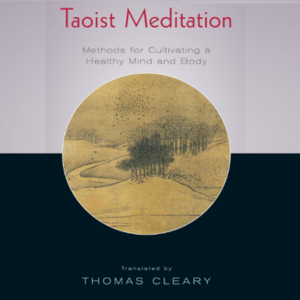
Taoist meditation, a cornerstone of Taoism, offers a path towards holistic well-being, blending physical health with spiritual enlightenment. Thomas Cleary, a renowned translator known for his clear and insightful interpretations, brings together a captivating collection of classical Taoist texts on meditation in his book, “Taoist Meditation: Methods for cultivating a healthy mind and body.” In this article, we delve into Thomas Cleary’s insightful book, exploring the profound wisdom it imparts on achieving mental clarity, inner peace, and physical well-being through Taoist timeless meditative practices. Let’s explore the essence of these teachings and how they can enrich our lives in the modern world.
The Essence of Taoist Meditation
Taoism, with its emphasis on natural harmony and balance, offers a rich tapestry of meditation practices. Cleary’s compilation draws from classic Taoist texts, providing a comprehensive view of these transformative methods. Here’s a glimpse into the wisdom offered by each:
The Treatise on Sitting and Forgetting
- Written by Sima Chengzhen during the Tang dynasty (618-907), this text introduces the concept of “sitting and forgetting.” It emphasizes the simplicity of meditation. In this practice, the meditator lets go of distractions—physical, mental, and emotional—to focus on the One.
- When sitting and forgetting, the practitioner becomes inwardly unaware of their own body and outwardly detached from the universe. The mind rests, and the spirit opens to oneness.
- As serenity and simplicity deepen, worldly defilements gradually dissipate. The path leads away from the mundane and closer to the Way—the Tao.
Three Precepts for Practitioners
- Cleary emphasizes three essential precepts:
- Simplify Involvements: Let go of unnecessary attachments and distractions.
- Avoid Craving: Cultivate contentment and detachment.
- Quiet the Mind: Silence the mental chatter to access deeper awareness.
- By diligently following these precepts, even those without a conscious desire for enlightenment will find the Way unfolding naturally.
- Cleary emphasizes three essential precepts:
Sayings of Taoist Master Danyang
- Master Danyang, a revered Taoist wizard from the Song dynasty (960-1279), shares wisdom on “mindless noncontrivance.”
- Noncontrivancemeans acting without mental musing or contrived thoughts. Whether experiencing love, desire, anger, or loss, remain uncontrived and unconcerned.
- Cultivating an “uncontrived” state of mind leads to unlimited clear emptiness. It transcends limitations and connects with the essence of the Way.
- Mindlessnessdoesn’t imply thoughtlessness like animals; it signifies maintaining a mind free from distortion and impurity.
Keeping the Mind in Clear Purity
- The effort to stay in “the realm of clear purity” demands constant awareness. Without it, compulsive actions scatter energy, and the mind’s musings dim the spirit.
- The substance of the Way lies in having no mind, while the application involves forgetting words.
- Thomas Cleary reminds us that true mindlessness isn’t mindlessness—it’s the pursuit of clarity and purity.
A Range of Techniques for Holistic Well-being
The beauty of Cleary’s compilation lies in its diverse range of meditation practices. From simple sitting meditation techniques to esoteric concepts like spiritual alchemy, the book caters to practitioners of all levels.
Some texts delve into the physical aspects of meditation, providing guidance on posture and breathing exercises. Others focus on the cultivation of the mind, emphasizing techniques to quiet mental chatter and achieve a state of mindful awareness.
If you are short on time, beginning with a simple 5-minute meditation for beginners is an excellent way to introduce your mind to the concept of effortless stillness.
A Unifying Message: Harmony Within and Without
Despite the varied styles and approaches presented in the texts, a unifying message resonates throughout the book: the responsibility lies with the disciple to cultivate self-control and maintain a balanced lifestyle that complements the meditation practice.
This core principle highlights the holistic nature of Taoist meditation. It’s not just about achieving enlightenment in a secluded space; it’s about integrating these practices into daily life to foster harmony within and without.
Beyond the Book: Cultivating Your Practice
Cleary’s “Taoist Meditation” serves as a valuable starting point for those seeking to explore the vast and transformative world of Taoist meditation. Whether you’re a seasoned meditator or a curious beginner, this book offers profound insights and practical techniques to cultivate a healthier, more mindful way of living. In the words of the classic: “Close your eyes, shut your doors, and you do not toil all your life.” So, let us sit calmly, collect our minds, detach from distractions, and dwell in the quietude of nothingness. Through this practice, we may find our way out of the wheel of birth and death, returning to the celestial source.
Related Articles


Here are some additional pointers to consider as you embark on your Taoist meditation journey:
- Find a quiet space: Create a dedicated meditation space in your home that is free from distractions.
- Set a regular time: Consistency is the key. Dedicate a specific time each day for your meditation practice.
- Start small: Begin with short meditation sessions, gradually increasing the duration as you become more comfortable.
- Focus on the breath: Pay attention to your natural breath, inhaling and exhaling slowly and deeply.
- Observe your thoughts: Acknowledge your thoughts without judgment and gently guide your attention back to your breath.
- Be patient: Meditation is a skill that takes time and dedication to develop. Don’t get discouraged if you find your mind wandering – simply bring your attention back with kindness.
Conclusion: A Gateway to Inner Peace
In the journey of life, Taoist meditation serves as a timeless guide, offering profound insights into the art of harmonizing mind, body, and spirit. Thomas Cleary’s compilation of ancient texts illuminates the path towards inner peace, clarity, and vitality. With its clear translations and diverse perspectives, the book empowers you to explore the depths of your being and cultivate a life brimming with inner peace. By embracing these teachings, we embark on a transformative journey towards holistic well-being and spiritual enlightenment.
Remember, the journey toward enlightenment begins within—the stillness of meditation, the simplicity of being, and the uncontrived mind. As we align with the Way, myriad cogitations dissolve, and the spirit opens to oneness.
Frequently Asked Questions
Q: What is the primary goal of Taoist meditation?
A: The main focus of Taoist meditation is to achieve inner stillness and align yourself with the Tao, or the natural flow of the universe. Unlike practices that require intense mental focus, it emphasizes letting go of control, quietening the mind, and cultivating your internal life force energy, known as Qi, to bring harmony to your body and mind.
Q: How does the concept of Wu Wei apply to meditation?
A: Wu Wei translates directly to “effortless action” or “non-doing.” In Taoist meditation, this means you stop fighting your thoughts or forcing your mind to be completely blank. Instead, you sit quietly and simply observe your thoughts and surroundings pass by without judgment, allowing your mental state to settle into its natural, peaceful rhythm.
Q: What is the “Inner Smile” technique in Taoist practices?
A: The Inner Smile is a profound, healing Taoist meditation technique where you visually direct loving, smiling energy inward to your vital organs. By focusing a gentle, physical smile toward your heart, lungs, and liver, you actively transform deep-seated negative emotions, stress, and tension into positive vibrations of self-compassion and physical vitality.
Q: Can beginners practice Taoist breathing and meditation techniques easily?
A: Yes, absolutely! Taoist meditation is incredibly accessible because its core philosophy is rooted in simplicity and naturalness. Beginners can easily start with basic abdominal breathing or mindfulness techniques for just ten minutes a day. The focus is always on relaxation and comfort rather than rigid, painful postures.
Q: How does Taoist mindfulness differ from Buddhist meditation?
A: While both paths lead to peace, Buddhist styles often focus on mental mindfulness and breaking free from worldly attachments. In contrast, Taoist meditation places a heavy emphasis on the physical body, using the breath to balance your physical energy channels and harmonize your spirit directly with the physical world around you.